

Table of Contents
- What to Consider When You Choose Non-Alcoholic Spirits
- The Best Alcohol-Free Spirits for Different Occasions
- How to Mix Non-Alcoholic Spirits Into Cocktails
- Common Mistakes to Avoid
Last Updated: 24 August 2026
What to Consider When You Choose Non-Alcoholic Spirits
The key to choosing non-alcoholic spirits lies in understanding what you want from the drink. Are you sipping it neat, mixing it into a cocktail, or replacing a specific spirit?
Start by identifying your flavour profile. Non-alcoholic spirits fall into distinct categories: gin-style botanicals with juniper and herbs, whisky alternatives with warming spice and oak, aperitif styles with bitter-sweet notes, and functional blends designed for mood and energy. Recent market analysis shows gin is the fastest-growing segment in the non-alcoholic spirits category because consumers seek layered botanical complexity.
Examine the ingredient list closely. Quality producers use real botanicals, spices, and extracts rather than artificial flavourings. Look for terms like "distilled," "infused," or "macerated", these indicate traditional production methods. The mouthfeel matters enormously; the best alternatives deliver body and texture through bitterness, spice, herbal depth, and sometimes a lingering warmth that mimics real spirits.
The Best Alcohol-Free Spirits for Different Occasions
Different situations call for different spirits. For aperitif hour, choose something with bitter-sweet complexity and citrus notes. ANON Bittersweet Aperitif delivers this with orange, vermouth, wormwood, and gentian extracts that work beautifully in a spritz or neat over ice.

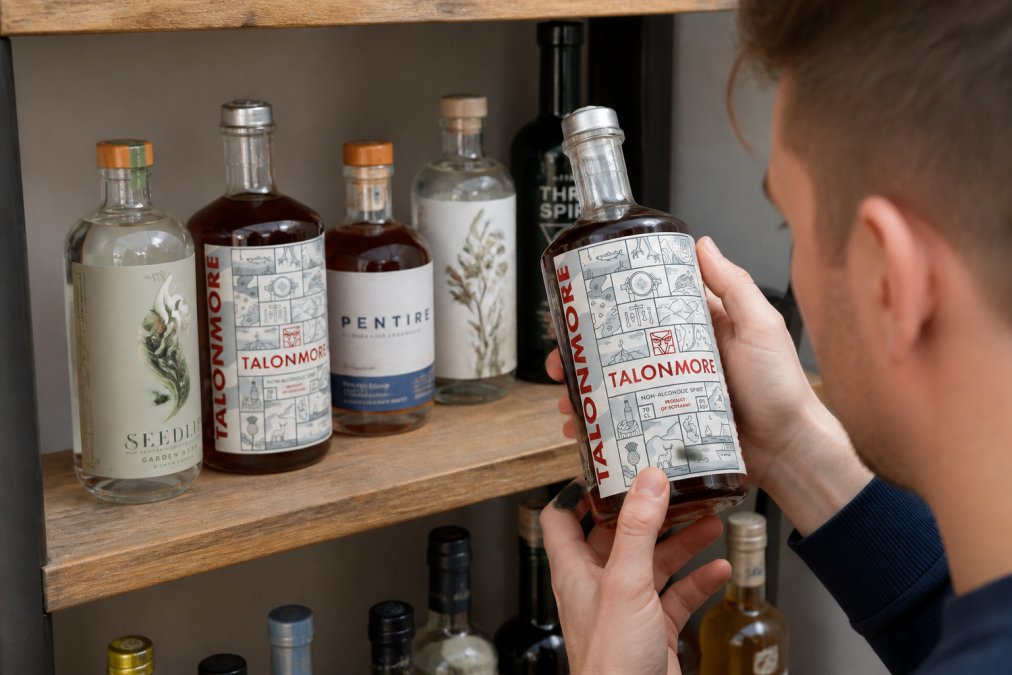
For sipping spirits that stand alone, Talonmore Whisky Alternative offers full-bodied warmth with ginger, prickly pear, hawthorn berry, and Assam tea. When mixing cocktails, you need spirits with strong aroma and structure. Bax Verbena, distilled with natural ingredients in copper alembics, provides vibrant botanical flavours bold enough to anchor a drink.
How to Mix Non-Alcoholic Spirits Into Cocktails
Mixing non-alcoholic spirits follows the same principles as traditional cocktails, but requires slightly different thinking. The spirit is no longer providing warmth or burn, your other ingredients must deliver complexity and balance.
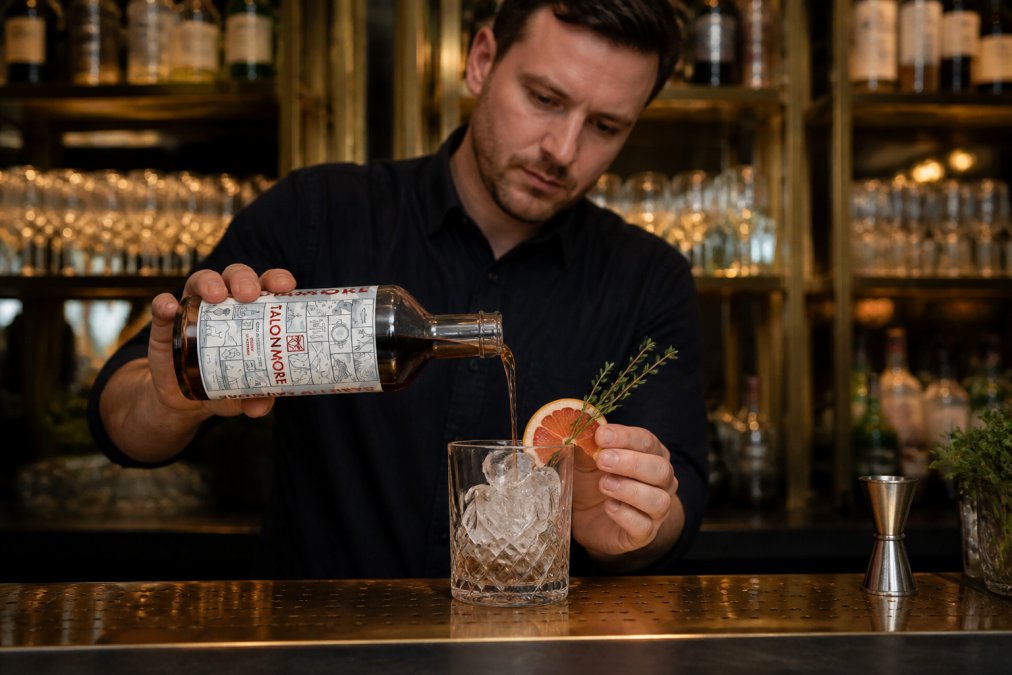
Start with a 50ml pour of your chosen spirit as the base. Add 25ml of citrus juice (fresh lemon or lime), 15ml of a complementary modifier like ginger syrup or herbal cordial, and ice. Non-alcoholic spirits often have bolder flavours than their alcoholic counterparts, so proportions matter for balancing intensity. Consider your spirit's character when building the drink. If it's gin-based, pair it with dry vermouth and citrus. If it's whisky-style, build around warming spices and oak-forward modifiers.
Common Mistakes to Avoid
The biggest mistake is treating non-alcoholic spirits as direct substitutes for alcohol. They're creating something different that's equally valid.
Don't assume all alcohol-free options are created equal. Quality varies enormously between supermarket shelves and independent producers. Many people mix non-alcoholic spirits exactly as they would alcoholic ones, but the stronger botanical and spice profiles mean you may need less modifier or different proportions.
According to research from the Sheffield Addictions Research Group at the University of Stirling, around a third of adults in Great Britain now consume no or low alcohol drinks weekly, signalling a genuine shift in how people approach social drinking.
The UK non-alcoholic spirits market generated £24.9 million in 2024 and is projected to reach £40.9 million by 2030, with gin registering the fastest growth as consumers demand genuine complexity.
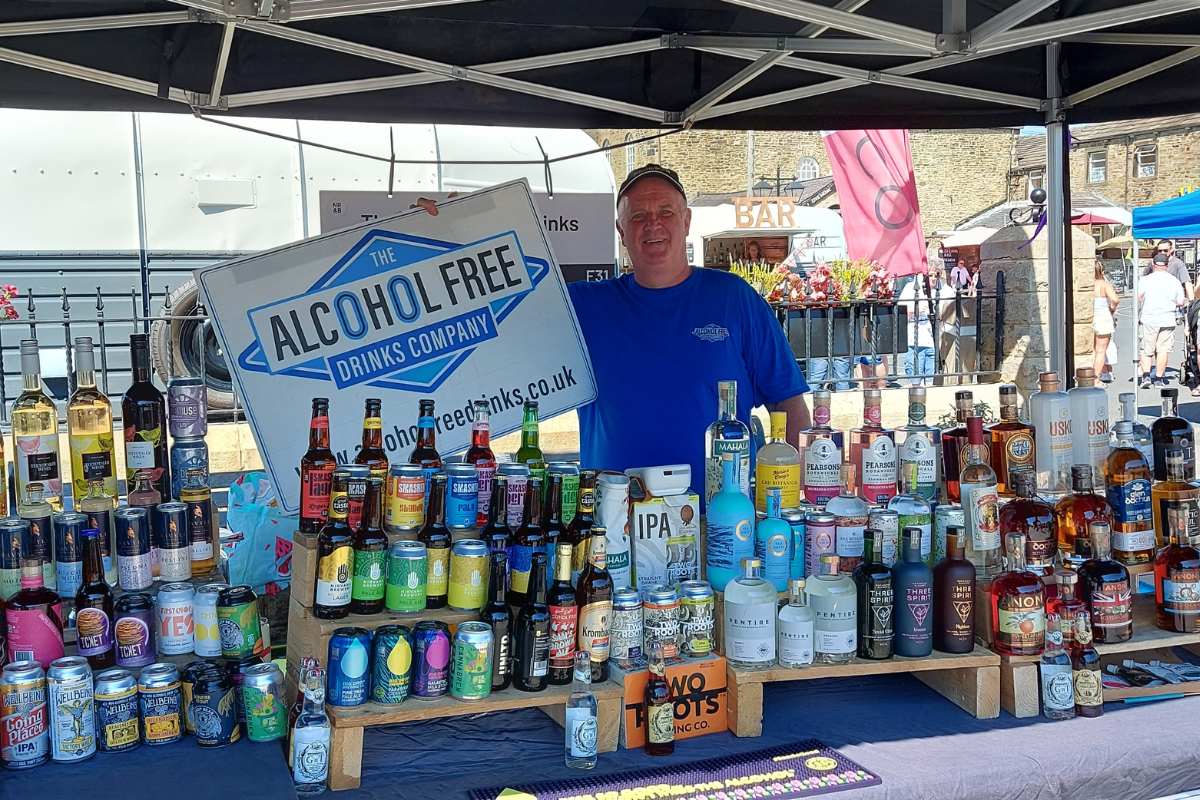
What makes a truly excellent non-alcoholic spirit comes down to three things: authentic botanicals or spices, proper production technique, and honest flavour without artificial shortcuts. When choosing non-alcoholic spirits, prioritise producers who care about the craft rather than just capitalising on a trend. Alcohol Free Drinks Company curates independently produced spirits from makers who understand that alcohol-free drinkers deserve the same sophistication and attention to detail as anyone else.
Frequently Asked Questions
What should I look for when choosing non-alcoholic spirits?
Focus on flavour complexity, intended use (sipping versus mixing), and ingredient quality. Look for spirits with layered botanicals, dryness, and a long finish for sipping. For mixing, seek strong aroma, acidity, and bitter or herbal structure. Check the production method, traditionally distilled spirits in copper alembics offer purer flavour than others. Avoid overly sweet options that taste like flavoured water. Premium independently produced spirits often deliver the sophistication and taste depth that compromise products cannot.
Are non-alcoholic spirits worth the extra cost?
Yes, when you choose quality independently produced options. Premium non-alcoholic spirits cost more because they use complex botanical blends, traditional distillation methods, and genuine flavour development rather than artificial sweeteners or shortcuts. A bottle like Talonmore (£23.95) combines ginger, prickly pear, hawthorn berry, and Assam tea for full-bodied complexity that mass-market alternatives cannot match. You're paying for craftsmanship, not just the absence of alcohol. For discerning consumers, the difference in taste and experience justifies the investment.
Can non-alcoholic spirits work in classic cocktails?
Absolutely. The best zero-proof spirits replace the body and warmth of alcohol with bitter botanicals, acidity, spice, tannin, and sometimes capsaicin-style heat. For negronis and aperitif-style drinks, try ANON Bittersweet Aperitif (£19.95), which offers orange, citrus, and herbal notes ideal for spritzing and mixing. For whisky-forward cocktails, Talonmore's complex ginger and spice profile works well. Match the spirit's character to the classic drink you're recreating, gin-style for martinis, aperitif-style for spritzes, and bold botanical options for spirit-forward serves.
The real challenge isn't finding an alcohol-free alternative, it's finding one that actually tastes good enough to choose again. Get in touch with Alcohol Free Drinks Company to explore a curated selection of premium non-alcoholic spirits, including Talonmore Whisky Alternative, ANON Bittersweet Aperitif, and Three Spirit Social Elixir. Our team has tested every bottle and backed each recommendation with genuine quality standards.
This article was written using GrandRanker
0 comments