

Table of Contents
- What You'll Need for Non-Alcoholic Gin Cocktails
- The Best Alcohol-Free Gin Brands to Try
- Non-Alcoholic Cocktail Garnishing Techniques
- Frequently Asked Questions
Last Updated: 17 September 2026
What You'll Need for Non-Alcoholic Gin Cocktails
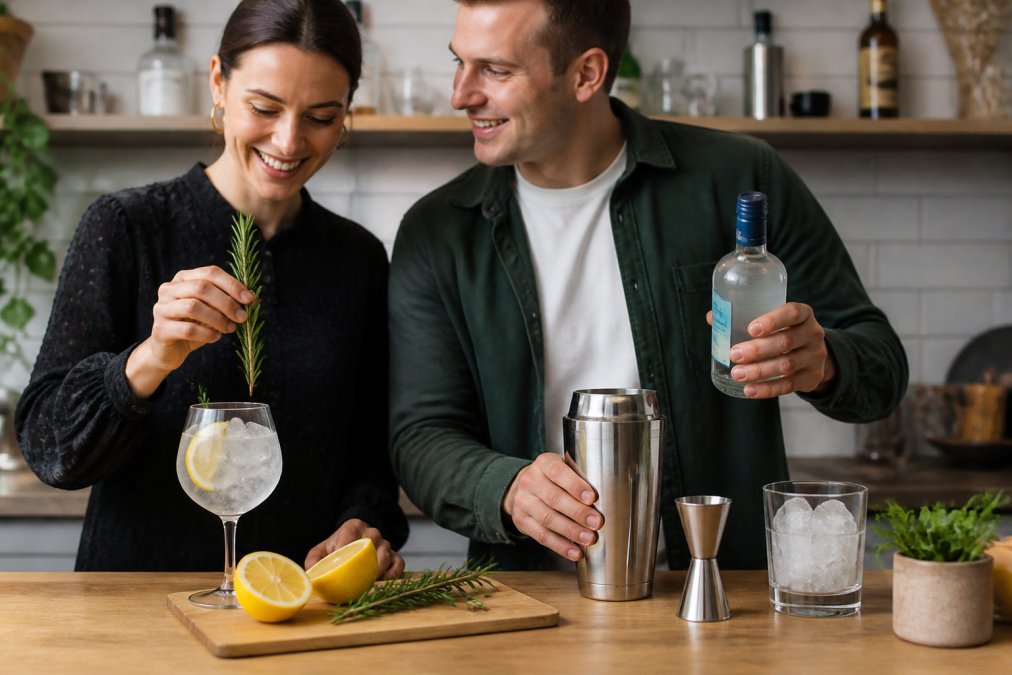
Making non-alcoholic gin cocktails at home needs just three things: a good alcohol-free gin, a quality mixer and fresh garnish.
Your core kit: alcohol-free gin, tonic water or flavoured sparkling water, fresh citrus, ice, a jigger, an optional cocktail shaker, and fresh herbs.
The golden rule? Mix your alcohol-free gin with tonic at roughly a 3:1 ratio, three parts mixer, one part spirit ([1:1 substitution guidance for non-alcoholic spirits(/blogs/news/how-to-choose-non-alcoholic-spirits) in mixology | feastandwest.com]). Most people pour too much gin and too little tonic, and the result tastes flat and watery.
The Best Alcohol-Free Gin Brands to Try
The best alcohol-free gin brands focus on botanicals, not sugar, look for juniper-forward spirits with natural citrus and herbal notes.
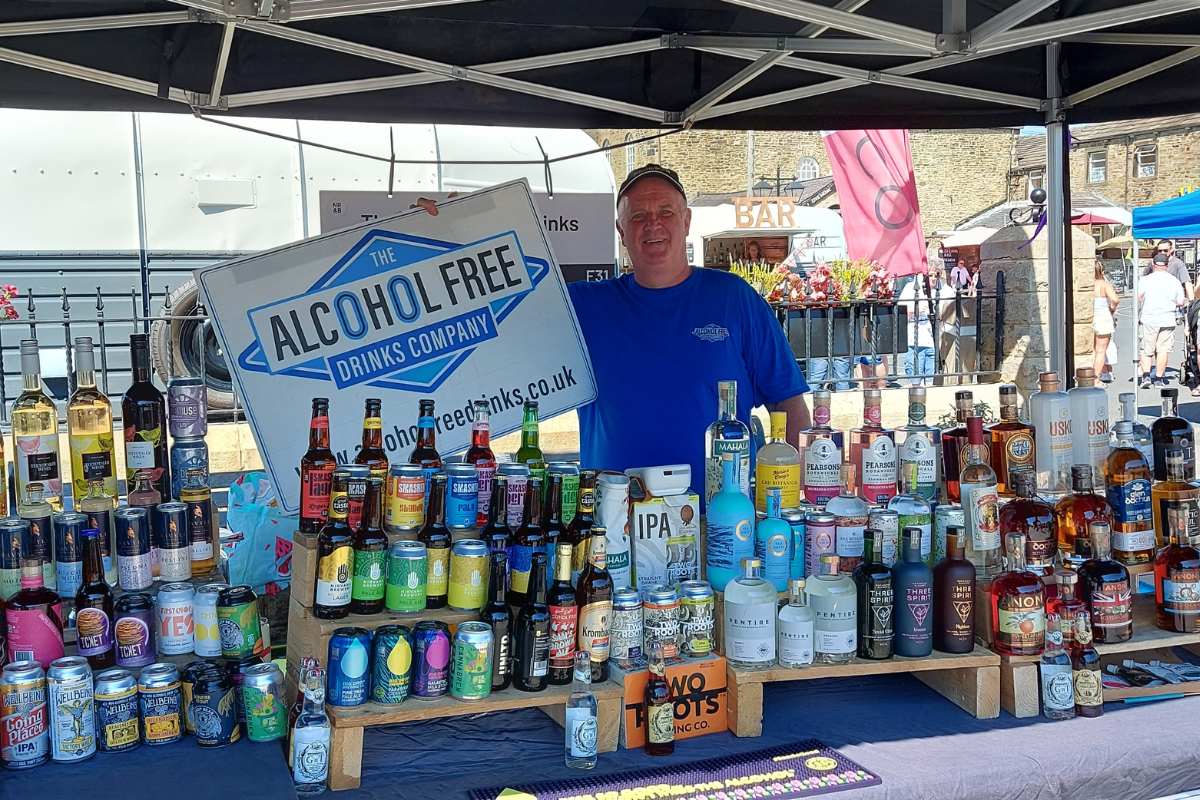
At Alcohol Free Drinks Company, based in Yorkshire, we only stock independent producers. Our founder Andy Mee has judged the World Alcohol Free Drinks Awards since 2022 and personally picks every bottle. Such discerning curation ensures that every bottle serves as a sophisticated foundation for your next gathering, especially when hiring a professional bartender to elevate the experience for your guests.
Here are three we recommend:
| Product | Flavour Profile | Best For | Price |
|---|---|---|---|
| Caleño Light & Zesty | Pineapple, lemon peel, juniper | Tropical G&Ts | £18.50 |
| Pearsons Cucumber & Rose | Cucumber, rose, alpine juniper | Floral spritzers | £14.95 |
| Pearsons London Botanic | Citrus, classic London Dry style | Traditional gin cocktails | £19.95 |
Caleño Light & Zesty is distilled with pineapple, lemon peel, juniper and Colombian Inca Berry; serve with tonic over ice and a pineapple wedge. It's gluten-free and vegan.

Pearsons Botanicals uses Scottish Deeside spring water and 100% natural botanicals. The Cucumber & Rose works beautifully with Mediterranean tonic, while the London Botanic brings a timeless juniper finish to a classic G&T.
These spirits are made to be mixed, not sipped neat, Pearsons recommends a 3:1 ratio with your chosen mixer.
Non-Alcoholic Cocktail Garnishing Techniques
Non-alcoholic cocktail garnishing techniques matter more than you'd think. Without alcohol's warmth, aroma and presentation carry the drink.
Three techniques that work every time:
- Express the citrus peel. Twist a strip of lemon or orange peel skin-side down over the glass so the oils spray onto the surface.
- Slap the herbs. Clap mint or basil between your palms once to release the oils without bruising the leaves.
- Use edible flowers or dehydrated citrus for a sophisticated bar-style finish.
A common mistake is over-garnishing, one good garnish beats three competing ones. Match it to your gin's botanicals: cucumber with cucumber gin, rosemary with juniper-forward spirits.
For a simple home infusion, steep juniper berries and botanicals for 12 to 36 hours to build your own flavour base (home infusion methods for non-alcoholic spirits).
We also supply the trade. If you run a bar, restaurant, sports club or hotel, talk to us about supplying your venue and we'll help you build a range that sells.
Frequently Asked Questions
What is the best way to mix non-alcoholic gin?
The best way to mix non-alcoholic gin is to treat it like a traditional spirit. Start with a 1:1 ratio when substituting it in classic cocktail recipes, as recommended by industry guidance. For a simple serve, mix 50ml of alcohol-free gin with 150ml of premium tonic water over ice. Pearsons Botanicals suggests a 3:1 ratio of mixer to spirit for their range. Always use plenty of ice and stir gently to chill the drink without diluting it too quickly.
Do non-alcoholic gin cocktails taste like the real thing?
They can taste remarkably similar, though the experience is different. High-quality alcohol-free gins use botanicals like juniper, citrus and coriander to replicate the complex flavour profile of traditional gin. The main difference is the lack of alcohol heat, which some drinkers notice. However, when mixed with a good tonic and fresh garnish, many people find the taste surprisingly close. Choosing a premium alcohol-free gin from an independent producer makes a significant difference to the final flavour.
Where can I buy high-quality independent alcohol-free spirits?
You can find a curated selection of independent alcohol-free spirits at specialist retailers like The Alcohol Free Drinks Company. Based in Yorkshire, they have been supplying alcohol-free beers, wines and spirits since 2021. Their range includes options from small producers, all personally selected by founder Andy Mee, a judge at The World Alcohol Free Drinks Awards. They also supply to the trade, so bars, restaurants and hotels can contact them directly to discuss stocking their range.
Building a drinks menu that works for everyone takes the right products, not guesswork. At Alcohol Free Drinks Company, we've curated independent alcohol-free gin, wine and beer since 2021, all hand-picked by our founder. Browse our sale section for great value, or get in touch to stock your bar, restaurant or hotel with drinks worth putting on the menu.
0 comments