


Table of Contents
- Is Alcohol Free Beer Any Good? The Honest Answer
- Best Independent Alcohol Free Beer Worth Trying
- How to Choose Non-Alcoholic Craft Beer
- Alcohol Free Beer Health Benefits
Last Updated: August 21, 2026
Is Alcohol Free Beer Any Good? The Honest Answer
The taste gap between alcohol-free and traditional beer has largely closed. Dealcoholisation technology improved dramatically between 2019 and 2026, with methods like reverse osmosis, vacuum distillation, and arrested fermentation replacing older techniques that stripped flavour. The best examples today taste like the style they claim to be: proper IPAs with bright hop character, crisp lagers with real malt depth, darker beers with genuine complexity.
According to IMARC Group's 2025 market analysis, the non-alcoholic beer market reached £158.5 million in 2025 and is projected to hit £224.6 million by 2034. The British Beer and Pub Association (BBPA) 2025 data shows that 200 million pints of no and low ABV beers are expected to be consumed by the end of 2025, a 20% increase on 2024.
78% of Generation Z in the UK are cutting back on alcohol consumption, and 48% of British adults are "zebra striping", alternating between alcoholic and non-alcoholic drinks when they visit the pub. At Alcohol Free Drinks Company, we champion independent producers over mass-produced options from big drinks conglomerates. We've curated alcohol-free beers because independent breweries care more about taste than volume. Below, we've reviewed the best alcohol-free beers worth trying, with a particular focus on 440ml craft options and brilliant independent Yorkshire breweries like Brew York, Harrogate Brew Co, Ilkley Brewery, and Kirkstall Brewery.
Best Independent Alcohol Free Beer Worth Trying
The independent alcohol-free beer market has matured dramatically. These are craft beers made by people who understand brewing.
Jump Ship HAAR, New England IPA (440ml)

Jump Ship is Scotland's only dedicated alcohol-free brewery, founded by Sonja Mitchell. HAAR is their New England IPA in a 440ml can, delivering a hazy golden-orange appearance with intense tropical aroma: pineapple, coconut, and bright citrus notes. Brewed with Sabro hops, it has a piña colada-like character that feels intentional, not gimmicky.
Brulo Lust For Life DDH IPA (330ml)
Brulo was founded in 2019 to make great-tasting hop-forward alcohol-free beer. Lust For Life is double dry hopped with Citra, Simcoe, and Mosaic for ripe, juicy character of mango, peach, and pine.
Nirvana Bavarian Helles Lager (330ml)
Nirvana Brewery is the only dedicated alcohol-free brewery with its own brewing operation. Their Bavarian Helles is a golden lager with pleasant biscuit notes, natural carbonation, and clean finish. It's won Gold at the World Alcohol-Free Awards 2024.
Smashed Pale Ale (330ml)
Smashed Drynks operates the only Cool Vacuum Distillation (CVD) unit in the UK, based in Manchester. The Pale Ale uses British malts and Goldings English hops, delivering caramel and toffee notes finished with tropical and passionfruit character.
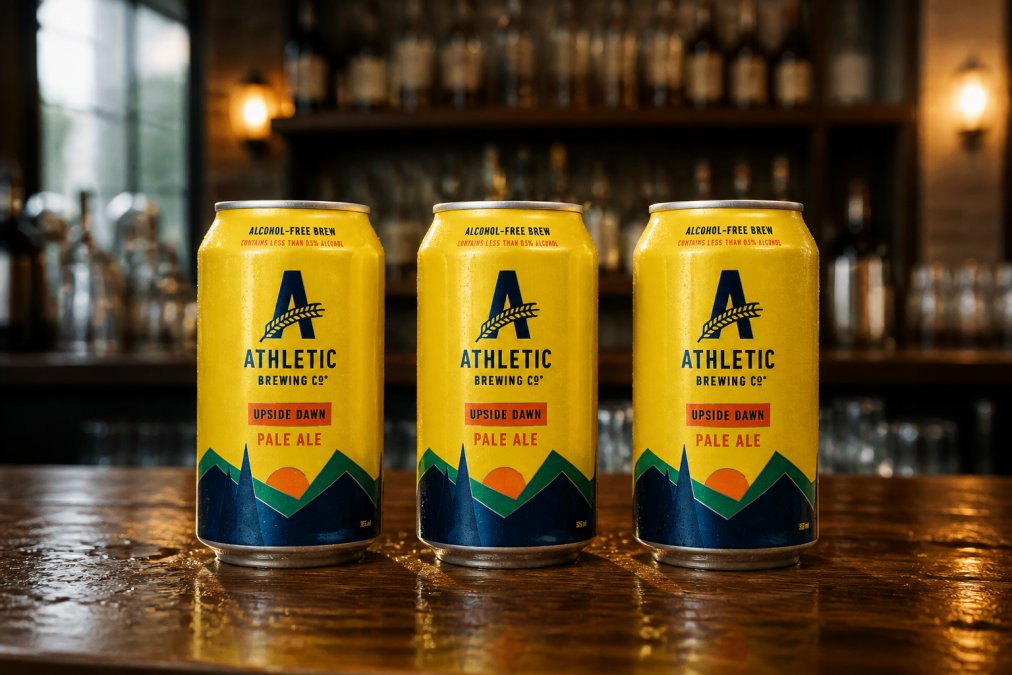
Athletic Run Wild IPA (330ml)
Athletic is the largest independent alcohol-free brewery in the United States. Their Run Wild IPA is brewed with five Northwest hops for approachable bitterness balanced with speciality malt body.
How to Choose Non-Alcoholic Craft Beer
Picking the right alcohol-free beer comes down to understanding what you're looking for and supporting independent producers over "Big Drinks" brands.
Understand the brewing method. Beers made using arrested fermentation taste different from beers where alcohol is removed after brewing. Arrested fermentation preserves more complexity because yeast and malt have time to develop flavour. Dealcoholisation methods like CVD can work brilliantly if done carefully, but cheaper methods strip flavour.
Look for hop-forward styles if you want flavour. IPAs and pale ales tend to be more interesting in the alcohol-free space because hop character carries the beer.
Check the ABV. "Alcohol-free" in the UK means 0.05% ABV or less. Some breweries push closer to 0.5% ABV using arrested fermentation, which often means more flavour complexity.
Size matters. 440ml is the emerging standard for craft alcohol-free beers. Serious breweries often offer 440ml, giving you fuller flavour development.
Support independent producers. The difference between mass-produced alcohol-free beer from major drinks conglomerates and independently produced craft beer is stark. Independent breweries care about taste because their reputation depends on it. We champion Yorkshire producers like Brew York, Harrogate Brew Co, Ilkley Brewery, and Kirkstall Brewery because they represent genuine commitment to quality over volume.
| Brewing Method | Flavour Complexity | Best For |
|---|---|---|
| Arrested Fermentation | High | Complex, nuanced beers |
| CVD / Vacuum Distillation | High | Preserves original beer character |
| Reverse Osmosis | Medium-High | Clean, crisp beers |
| Older Dealcoholisation | Low | Budget options |
Alcohol Free Beer Health Benefits
Better cardiovascular health. According to British Heart Foundation guidance, removing alcohol eliminates risks including raised blood pressure, increased triglycerides, and irregular heartbeat.
Lower calorie intake. Most alcohol-free beers sit between 50-100 calories per can, compared to 150-200 for traditional beer.
Better sleep and no hangover. Alcohol disrupts sleep architecture and causes dehydration. Alcohol-free beer lets you enjoy the social experience without these effects.
Moderation without abstinence. 94% of alcohol-free beer drinkers also consume alcohol. When alcohol-free options were available on draught in pubs, venues sold an average of 29 litres less alcoholic beer per week with no net impact on monetary takings (University of Bristol's Tobacco and Alcohol Research Group, 2024).
The real question isn't whether alcohol-free beer is good anymore, it's which one suits your taste. Independent breweries doing this work genuinely care about quality. We champion producers like Brew York, Harrogate Brew Co, Ilkley Brewery, and Kirkstall Brewery because they represent commitment to taste over volume.
Alcohol Free Drinks Company curates independently produced options reflecting this commitment to quality. Start with a 440ml craft IPA to understand what modern alcohol-free brewing can achieve.
=== FAQ ANSWERS (audit these too, same rules) ===
[1] Q: Does alcohol-free beer actually taste like real beer? A: Yes, modern alcohol-free beer tastes significantly better than it did five years ago. Advanced dealcoholisation technology, including reverse osmosis, vacuum distillation, and arrested fermentation, now preserves authentic flavour profiles. Independent breweries use proprietary brewing methods that create full-bodied, genuinely tasty alcohol-free beer. The taste gap has largely closed in 2026, with craft options delivering hop character, malt depth, and complexity comparable to their alcoholic counterparts.
[2] Q: Why should I choose independent alcohol-free breweries over big drinks brands? A: Independent producers invest in quality ingredients and innovative brewing techniques rather than cost-cutting shortcuts. They've pioneered methods that preserve authentic flavour without relying on artificial sweeteners or weak taste profiles. Breweries like Jump Ship (Scotland's first dedicated alcohol-free brewery) and Brulo focus on craft excellence. Supporting independents means you're drinking beer made with genuine care, not mass-produced alternatives designed purely for profit. These producers have earned recognition at world competitions.
[3] Q: What are the main health benefits of alcohol-free beer? A: Alcohol-free beer removes the primary health risks associated with alcohol consumption whilst maintaining social drinking enjoyment. According to the British Heart Foundation, drinking less or no alcohol is the best choice for heart and circulatory health. Many alcohol-free options contain under 50 calories per serving, support better sleep quality, and allow designated drivers and pregnant women to participate fully in social occasions. 94% of alcohol-free drinkers also consume alcohol, using non-alcoholic options for moderation rather than complete abstinence, a practice called 'zebra striping' adopted by 48% of Britons.
Frequently Asked Questions
Q: Does alcohol-free beer actually taste like real beer?
A: Yes, modern alcohol-free beer tastes significantly better than it did five years ago. Advanced dealcoholisation technology, including reverse osmosis, vacuum distillation, and arrested fermentation, now preserves authentic flavour profiles. Independent breweries use proprietary brewing methods that create full-bodied, genuinely tasty alcohol-free beer. The taste gap has largely closed in 2026, with craft options delivering hop character, malt depth, and complexity comparable to their alcoholic counterparts.
Q: Why should I choose independent alcohol-free breweries over big drinks brands?
A: Independent producers invest in quality ingredients and innovative brewing techniques rather than cost-cutting shortcuts. They've pioneered methods that preserve authentic flavour without relying on artificial sweeteners or weak taste profiles. Breweries like Jump Ship (Scotland's first dedicated alcohol-free brewery) and Brulo focus on craft excellence. Supporting independents means you're drinking beer made with genuine care, not mass-produced alternatives designed purely for profit. These producers have earned recognition at world competitions.
Q: What are the main health benefits of alcohol-free beer?
A: Alcohol-free beer removes the primary health risks associated with alcohol consumption whilst maintaining social drinking enjoyment. According to the British Heart Foundation, drinking less or no alcohol is the best choice for heart and circulatory health. Many alcohol-free options contain under 50 calories per serving, support better sleep quality, and allow designated drivers and pregnant women to participate fully in social occasions. 94% of alcohol-free drinkers also consume alcohol, using non-alcoholic options for moderation rather than complete abstinence, a practice called 'zebra striping' adopted by 48% of Britons.
This article was written using GrandRanker
0 comments