

Last Updated: October 23, 2026
Quick Summary
Natural ingredients to avoid in pregnancy drinks include certain herbs and botanicals classified at the highest caution level, whilst caffeine should be limited and specific herbal teas like liquorice-root avoided completely. Safe alternatives include water, alcohol-free wine, alcohol-free beer and approved herbal teas such as peppermint and chamomile in moderation.
- Limit caffeine during pregnancy from tea, coffee, chocolate drinks and cola-type soft drinks
- Liquorice-root tea should be avoided completely during pregnancy
- Peppermint and chamomile herbal teas are acceptable in moderation
- Alcohol-free wine, alcohol-free beer and non-alcoholic beer are safe pregnancy drink options
- Water remains the safest drink choice throughout pregnancy
Table of Contents
- Natural Ingredients to Avoid in Pregnancy Drinks
- Caffeine Limit During Pregnancy
- Pregnancy-Safe Drinks and Alcohol-Free Drinks During Pregnancy
- Frequently Asked Questions
Natural Ingredients to Avoid in Pregnancy Drinks
Pregnancy changes what's safe to drink, and some natural ingredients that seem harmless can affect your baby's development. At the Alcohol Free Drinks Company, we help expectant parents know which drinks to limit or avoid.
Caffeine Limit During Pregnancy
Medical guidance recommends limiting caffeine during pregnancy. Research on foods and drinks to avoid in pregnancy has examined caffeinated drinks as part of national pregnancy guidance. Common sources include tea, coffee, chocolate drinks, some energy drinks and cola-type soft drinks.
Herbal teas vary in their safety. NHS guidance on foods to avoid in pregnancy distinguishes between specific herbal teas: peppermint and chamomile are acceptable in moderation, but liquorice-root tea should be avoided completely. Choosing low-caffeine or caffeine-free options protects your pregnancy without sacrificing taste.
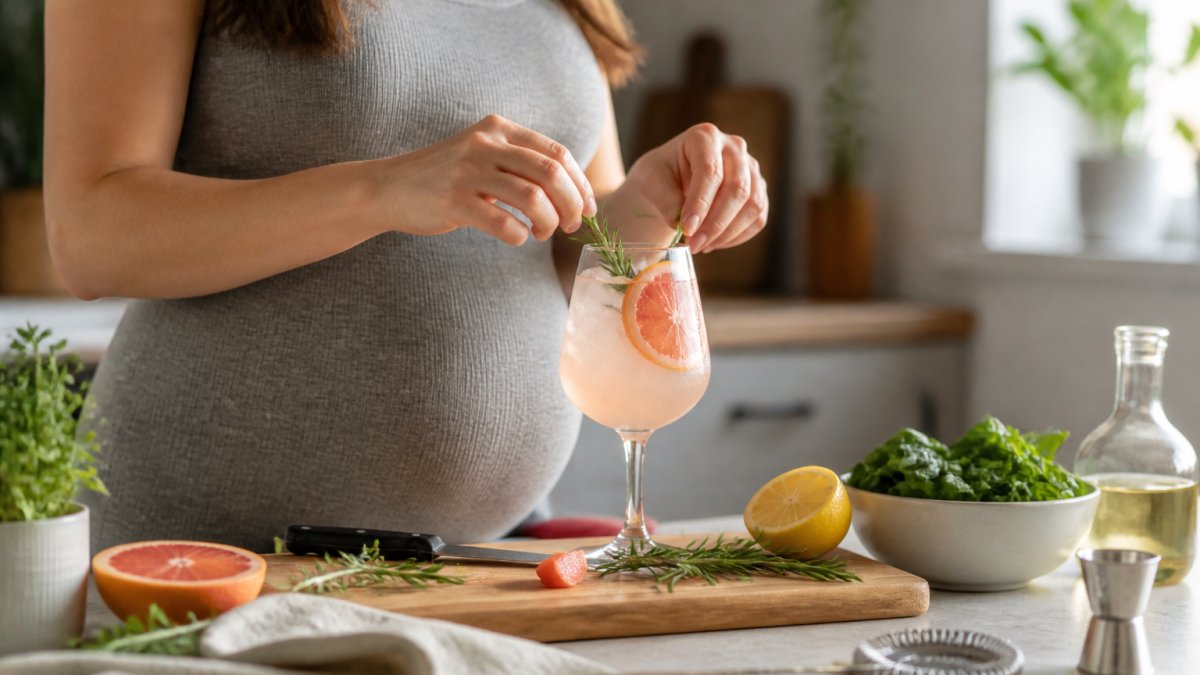
Herbal teas vary in their safety during pregnancy, with some acceptable in moderation and others to avoid completely.
| Herbal tea | Safety status | Guidance |
|---|---|---|
| Peppermint | Acceptable | Use in moderation |
| Chamomile | Acceptable | Use in moderation |
| Liquorice-root | Avoid | Should be avoided completely |
Pregnancy-Safe Drinks and Alcohol-Free Drinks During Pregnancy
The safest drinks during pregnancy are those without caffeine, alcohol or potentially harmful herbal ingredients. Water remains best, but alcohol-free alternatives give you genuine choice: non-alcoholic beer, alcohol-free wine and alcohol-free gin let you enjoy social occasions without risk, and these 0% drinks taste sophisticated.
Natural ingredients to avoid in pregnancy drinks include certain herbs and botanicals. Research on medicinal herbs and food ingredients during pregnancy has classified some herbal ingredients at the highest caution level. Safe options include sparkling water with fresh fruit, alcohol-free wine (choose Pierre Chavin or Miris Blend), alcohol-free beer and non-alcoholic beer, approved herbal teas, diluted fruit juice and warm milk with honey.
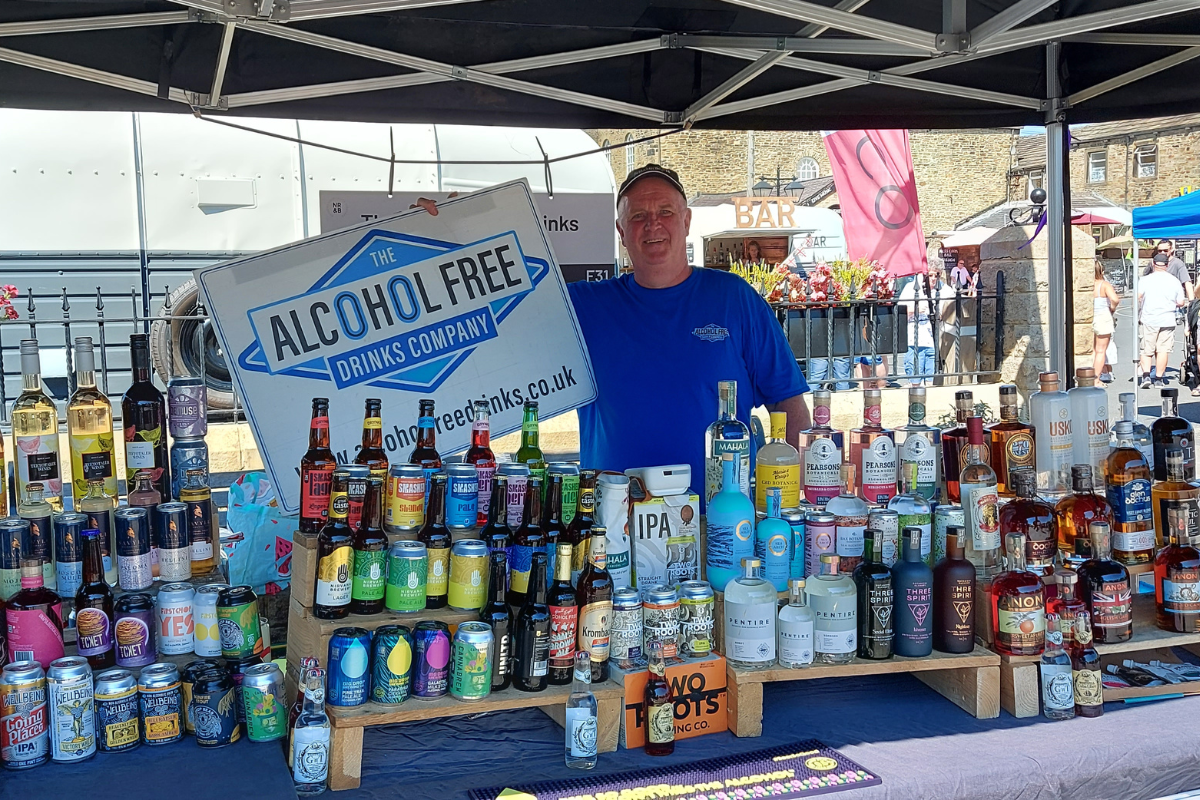
The Alcohol Free Drinks Company, based in Yorkshire, stocks a curated range of independently produced alcohol-free wines, alcohol-free beers and 0% drinks chosen for quality and taste. If you're uncertain about any drink, ask your healthcare provider.
Best non-alcoholic drinks for pregnancy and alcohol-free drinks for pregnancy explore curated options that taste good.
For hospitality businesses supporting pregnant customers and designated drivers, we supply to the trade. Contact us about supplying your bar, restaurant, sports club or hotel to stock sophisticated alcohol-free options.
Frequently Asked Questions
Which herbal ingredients should you avoid in drinks during pregnancy?
Several herbal ingredients carry safety concerns during pregnancy. Liquorice-root tea is advised against by the NHS due to potential foetal effects. Ginkgo nut, star anise, lavender, bitter gourd, and parsley have been classified as 'do not' ingredients by medical researchers. When in doubt, consult your midwife before consuming any herbal drink, as little is known about the effects of certain herbs on foetal development.
How much caffeine can you have during pregnancy?
The NHS provides specific guidance on caffeine limits during pregnancy to protect foetal development. Rather than avoiding caffeine entirely, follow the recommended daily limit set out in national guidance. This means you can still enjoy some caffeinated drinks, just monitor your total intake across all sources including tea, coffee, and soft drinks. Always check product labels and ask your healthcare provider if you're unsure about a specific beverage.
Are alcohol-free drinks during pregnancy a good alternative to regular beverages?
Yes, alcohol-free beer, alcohol-free wine, and non-alcoholic gin offer sophisticated alternatives for social occasions without any of the risks associated with alcohol. These 0% drinks allow you to enjoy the ritual and flavour of a proper drink whilst maintaining your baby's safety. Look for independently produced alcohol-free options that focus on quality ingredients rather than artificial additives, ensuring you're choosing drinks made with care.
Pregnancy is a time to be thoughtful about what you consume. Natural ingredients to avoid in pregnancy drinks can seem confusing, but the core principle is simple: stick to low-caffeine, alcohol-free options and avoid herbal ingredients flagged as risky. The Alcohol Free Drinks Company's carefully curated selection of alcohol-free wines, alcohol-free beers, and 0% drinks removes the guesswork, giving you confidence in every sip.

0 comments