

Table of Contents
- What a Non Alcoholic Drink Return Policy Actually Covers
- Consumer Rights Act 2015: Food and Drink Returns
- Online Shopping Cooling-Off Period: What UK Buyers Need to Know
- Returning Damaged Goods to Online Retailers
- Can You Return Non Alcoholic Drinks Because You Dislike the Taste?
- How to Initiate a Return: A Step-by-Step Guide
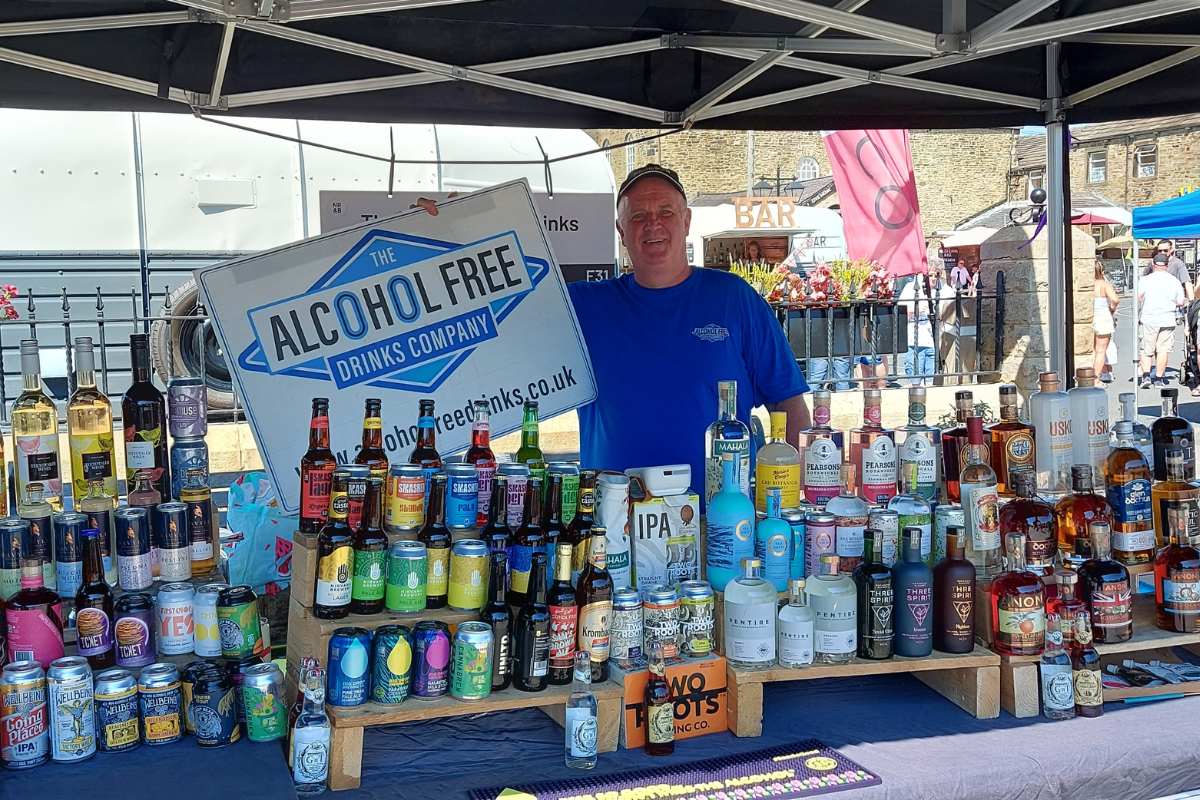
- How Alcohol Free Drinks Company Handles Returns
- Conclusion
Latest Update: August 18, 2026
What a Non Alcoholic Drink Return Policy Actually Covers
A non alcoholic drink return policy is the set of conditions under which a retailer will accept back a drink purchase and issue a refund, replacement, or credit. Most people assume returning a bottle of alcohol-free beer or wine works exactly like returning a pair of shoes. It doesn't.
At Alcohol Free Drinks Company, return questions typically fall into two categories: something arrived damaged, or someone ordered a case and didn't enjoy it. These are treated very differently under both consumer law and individual retailer policies.
The core distinction is this: your legal rights and a retailer's goodwill policy are separate. Your legal rights exist regardless of what any retailer's terms say. A retailer's voluntary returns policy may be more generous than the law requires, or it may add conditions the law doesn't impose.
Non alcoholic drinks occupy an interesting middle ground in consumer law. They're food and drink products with different rules than electronics or clothing. Perishable goods, sealed items, and products with hygiene implications all receive specific treatment, and drinks tick several of those boxes simultaneously.
Consumer Rights Act 2015: Food and Drink Returns
Consumer law for food and drink purchases in the UK is governed primarily by the Consumer Rights Act 2015. This legislation applies to all goods sold by a trader to a consumer, and non alcoholic drinks fall squarely within its scope.
The Act sets out three core conditions that goods must meet: they must be of satisfactory quality, fit for purpose, and as described. If a product fails any of these tests, you have a legal right to a remedy.
What 'Satisfactory Quality' Means for Drinks
Satisfactory quality means goods must meet the standard a reasonable person would consider acceptable, taking into account the price paid, how the goods were described, and any other relevant circumstances.
For a bottle of alcohol-free wine, satisfactory quality means it should arrive undamaged, with the seal intact, and free from defects that would make it unpleasant or unsafe to consume. A bottle that's cracked, leaking, or contaminated fails this standard. A product noticeably different from its description, such as a sparkling drink that arrives completely flat due to a faulty seal, also falls short.
What satisfactory quality does not cover is personal taste. If you open a bottle, try it, and decide you don't like the flavour, that's not a quality failure.
When the Act Doesn't Apply
The Consumer Rights Act applies to business-to-consumer sales. Business purchases are governed by contract terms agreed between the parties, so trade buyers should review their supplier agreements carefully.
The Act also doesn't give you an automatic right to return goods simply because you changed your mind. That right, where it exists, comes from distance selling regulations rather than the Consumer Rights Act itself.
Online Shopping Cooling-Off Period: What UK Buyers Need to Know
Most online purchases in the UK carry a 14-day cooling-off period under the Consumer Contracts Regulations 2013. This gives buyers the right to cancel an order and return goods without giving a reason, within 14 days of receiving them.
Here's the part that catches people out with drinks.
Why Perishable and Sealed Goods Are Treated Differently
The cooling-off right does not apply to all product types. Two specific exemptions are directly relevant to non alcoholic drinks:
- Perishable goods that are liable to deteriorate or expire rapidly are excluded from the cooling-off right
- Sealed goods that are not suitable for return due to health protection or hygiene reasons, where the seal has been broken after delivery, are also excluded
Non alcoholic drinks can fall into either or both of these categories. A fresh-pressed, cold-chain drink with a short shelf life is clearly perishable. A sealed bottle of alcohol-free spirits with a hygiene seal is likely covered by the second exemption once opened.
If you order a case of alcohol-free gin online, open a bottle, decide you don't like it, and then ask to return the remaining unopened bottles, the retailer is within their rights to decline the opened bottle. Whether they accept the unopened bottles as a goodwill gesture is a separate matter.
The practical takeaway: the cooling-off period is most useful for returning completely unopened orders where you've changed your mind before trying anything. Once you've opened a product, your rights under distance selling rules become significantly narrower.
Returning Damaged Goods to Online Retailers
Damaged goods are a different matter entirely, and this is where your rights are strongest. If a product arrives damaged through no fault of your own, you have a clear right to a remedy under the Consumer Rights Act 2015.
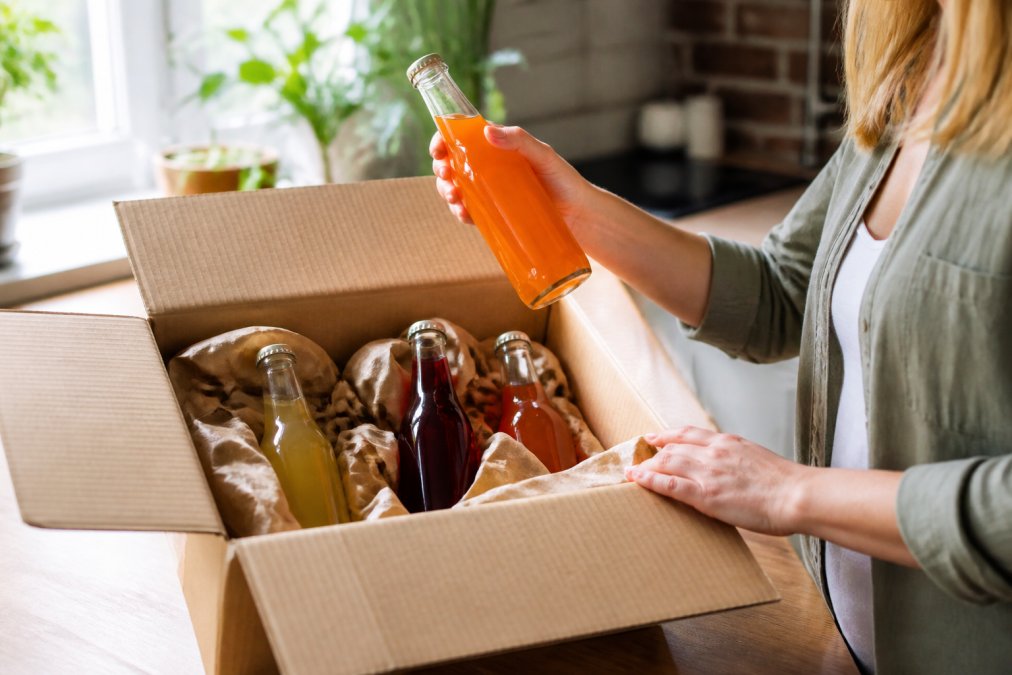
The law is clear: the risk in goods passes to the consumer on delivery. Before delivery, the risk sits with the retailer. If a bottle arrives cracked because it wasn't packaged adequately for transit, that's the retailer's problem to fix.
When goods arrive damaged, your options under the Act are:
- Short-term right to reject: Within 30 days of delivery, you can reject the goods outright and claim a full refund
- Right to repair or replacement: After 30 days (or if you choose this route earlier), you can request a replacement first
- Right to a price reduction or final rejection: If replacement isn't possible or isn't carried out properly, you're entitled to a price reduction or to return the goods for a refund
For drinks, replacement or refund are the realistic options. Most reputable retailers will offer a replacement delivery or refund without requiring you to send anything back, particularly where photographic evidence of the damage is provided.
Can You Return Non Alcoholic Drinks Because You Dislike the Taste?
No. Disliking a product's taste is not a legal ground for return. Consumer law protects you against defective or misdescribed goods, not against the subjective experience of trying something new.
What you can legitimately question is whether the product was accurately described. If a product is marketed as tasting closely like a particular style of wine, and what arrives bears no resemblance to that description, you may have a case that the goods were not as described. But this requires a meaningful gap between the description and reality, not simply a difference in personal preference.
The more practical solution is to buy strategically before committing to larger quantities. Many specialist retailers offer tasting packs or mixed cases for exactly this reason.
How to Initiate a Return: A Step-by-Step Guide
Initiating a return for non alcoholic drinks follows the same general process as any online purchase, but a few details specific to drinks and perishable goods are worth knowing in advance.
Step |
Action |
Key Detail |
|---|---|---|
1 |
Check the retailer's returns policy |
Know your rights before you call |
2 |
Document the issue and contact support |
Photos, order number, clear description |
3 |
Package, return, and follow up |
Keep proof of postage |
Step 1: Check the Retailer's Returns Policy Before You Contact Them
Before you contact the retailer, read their returns policy in full. This tells you what they're offering voluntarily beyond your legal minimum, and what process they expect you to follow.
Some retailers have specific time windows for reporting damaged goods. Knowing the policy in advance means you can reference it accurately and avoid being told something incorrect.
Pay attention to whether the retailer requires you to return the goods physically or whether photographic evidence is sufficient. For drinks, many retailers process damage claims without requiring a return, given the cost and logistics of shipping liquids.
Step 2: Document the Issue and Contact Customer Support
For damaged goods, photograph everything before you touch the product further. Capture the outer packaging, the inner packaging, and the product itself. Keep your order confirmation and delivery notification to hand.
When you contact customer support, be specific. State your order number, describe the issue clearly, and attach your photographs. Instead of vague language like "it arrived broken," describe exactly what you found: "Two of the six bottles arrived with broken seals and the contents had leaked into the packaging."
For taste-related concerns, be honest about what you're asking. If you're asking as a goodwill gesture rather than a legal claim, say so. Retailers respond better to straightforward, reasonable requests.
Step 3: Package, Return, and Follow Up
If the retailer asks you to return the goods, use appropriate packaging. Bottles are heavy and breakable, and arriving at the returns address with further damage won't help your case. Keep your proof of postage.
Follow up if you haven't heard back within the timeframe the retailer specified. Most issues are resolved at the first contact, but if you reach a deadlock, the Citizens Advice consumer helpline and the relevant Alternative Dispute Resolution scheme for the retailer's sector are your next steps.
How Alcohol Free Drinks Company Handles Returns
The non alcoholic drink return policy at Alcohol Free Drinks Company reflects both the legal framework described above and a commitment to getting things right for customers. The company ships in secure packaging specifically designed to protect bottles in transit, which is the most effective way to prevent damage claims.
If something goes wrong with an order, the Alcohol Free Drinks Company team is the right first point of contact. Given that the range focuses on independently produced, premium alcohol-free beers, wines, spirits, Alcohol Free Ciders and pre-mixed cocktails, most customers are trying products they haven't encountered before. The bundle builder and mixed selection options exist partly to help buyers explore the range without committing to large quantities of a single product.
For anyone concerned about ordering a case and discovering it's not to their taste, the practical answer is to start smaller. The range is curated by founder Andy Mee, who judges at the World Alcohol Free Drinks Awards, so the quality bar is consistently high. But personal taste varies, and starting with a mixed selection is always the smarter approach when you're new to a particular style or producer.
For specific queries about orders, damaged goods, or anything else, get in touch directly through the website.
Managing returns for food and drink purchases is more nuanced than most people expect, particularly when buying online. Your rights under the Consumer Rights Act 2015 are real and meaningful, especially for damaged or misdescribed goods. The cooling-off period is narrower for drinks than for most other product categories. And taste, however disappointing, isn't a legal ground for return. Alcohol Free Drinks Company ships carefully, curates thoughtfully, and is there to help if something goes wrong.
Frequently Asked Questions
Can I return non-alcoholic drinks if I don't like the taste?
Most retailers are not legally required to accept returns simply because you dislike the taste — change of mind is not covered by the Consumer Rights Act 2015. That said, some specialist retailers offer goodwill returns or exchanges on a case-by-case basis. To avoid being stuck with bottles you won't enjoy, look for retailers who offer mixed case options or tasting notes so you can choose with confidence before committing to a full case.
Does the Consumer Rights Act 2015 apply to food and drink items?
Yes. The Consumer Rights Act 2015 applies to food and drink, including non-alcoholic beverages. Goods must be of satisfactory quality, fit for purpose, and as described. If a drink arrives faulty, contaminated, or significantly different from its description, you are entitled to a repair, replacement, or refund. The Act applies whether you buy in a shop or online, though the 14-day cooling-off period under the Consumer Contracts Regulations has separate rules for perishable and sealed goods.
Do online retailers have to offer a 14-day cooling-off period for drinks?
Under the Consumer Contracts (Information, Cancellation and Additional Charges) Regulations 2013, online shoppers normally have 14 days to cancel an order. However, there are exceptions for perishable goods and sealed items that cannot be returned for hygiene reasons once opened. Many non-alcoholic drinks fall into one or both categories, meaning retailers can lawfully exclude them from the standard cooling-off period. Always read the returns policy before ordering, as terms vary between retailers.
What should I do if my alcohol-free order arrives damaged?
Photograph the damaged packaging and bottles immediately, before moving or disposing of anything. Then contact the retailer's customer service team with your order number and photos attached. Under the Consumer Rights Act 2015, goods must arrive in satisfactory condition — damage in transit is the retailer's responsibility, not yours. A reputable retailer should offer a replacement or refund promptly. Keep all original packaging until the issue is fully resolved, as some retailers may request it back.
This article was written using GrandRanker
0 comments