


Table of Contents
- What Makes Organic Alcohol-Free Wine Different
- How Alcohol-Free Wine Is Made and Why That Affects Cost
- Alcohol-Free Wine Price: What You're Paying For
- Frequently Asked Questions
Last Updated: October 5, 2026
What Makes Organic Alcohol-Free Wine Different
Organic alcohol-free wine uses grapes from vineyards certified to organic standards (no synthetic pesticides or fertilisers) and employs dealcoholisation methods like spinning cone technology to remove alcohol whilst preserving flavour and structure. Organic certification adds cost at every stage: vineyards yield less per hectare, annual audits are required, and gentler dealcoholisation methods cost more than industrial alternatives. The result is a wine that tastes closer to the original, preserving the character of premium organic grapes whilst staying under 0.5% ABV.

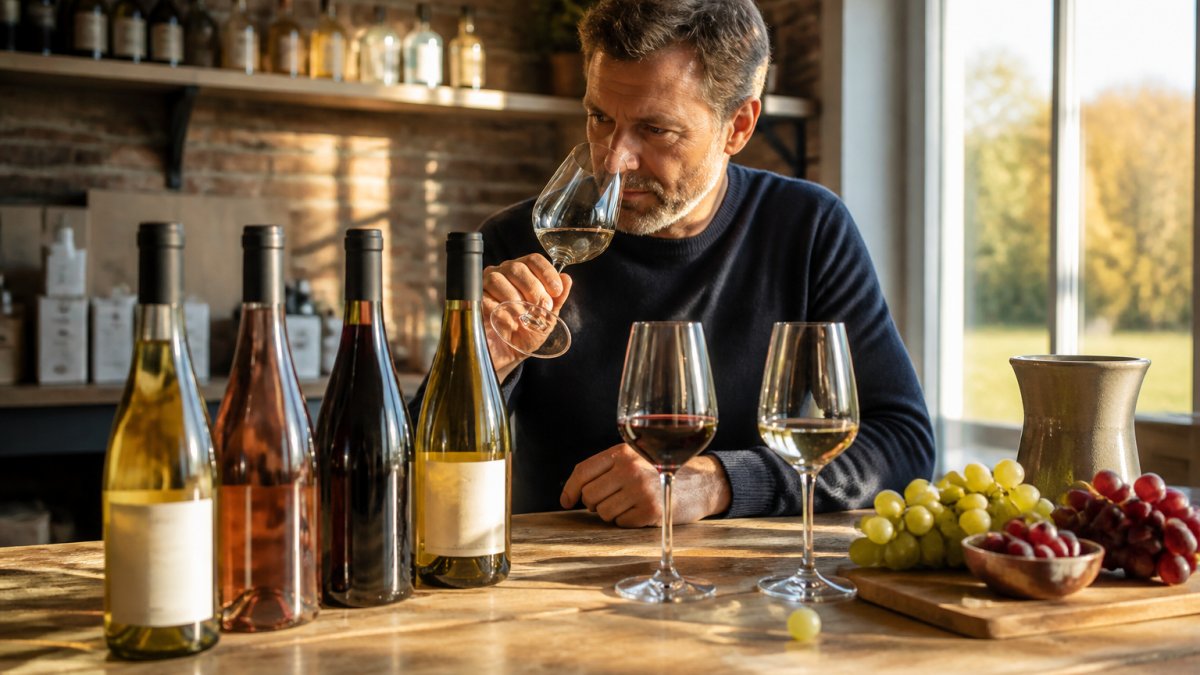
How Alcohol-Free Wine Is Made and Why That Affects Cost
Spinning cone technology gently removes alcohol whilst preserving tannins, acidity and flavour compounds better than reverse osmosis, making it the preferred choice for premium organic alcohol-free wine. According to Grand View Research's Non-Alcoholic Wine Market analysis, the global non-alcoholic wine market was valued at US$2.5 billion in 2025 and is projected to reach US$5.3 billion by 2033. This growth reflects rising demand and the genuine cost of production, organic dealcoholised wine sits at the premium end of that market because spinning cone dealcoholisation at low temperature preserves more of the wine's original character.
Alcohol-Free Wine Price: What You're Paying For
Organic alcohol-free wine costs more due to organic certification, careful dealcoholisation, and superior grape quality selected for complexity. If you expect alcohol-free wine to taste exactly like conventional wine, you will feel the price is unjustified, the dealcoholisation process changes the wine's structure slightly. You are paying for a sophisticated alternative that tastes good on its own terms, not a replica of conventional wine.
| Alcohol-Free Wine Type | What You Get | Best For |
|---|---|---|
| Budget non-alcoholic | Basic flavour, higher sugar | Occasional casual drinking |
| Mid-range dealcoholised | Better flavour retention, lower sugar | Regular drinkers seeking quality |
| Premium organic dealcoholised | Organic grapes, gentle dealcoholisation, lower sugar | Discerning consumers, special occasions |
The Alcohol Free Drinks Company, based in Yorkshire, stocks only independent brands, including Pierre Chavin and Miris Blend products. Founder Andy Mee, a judge at The World Alcohol Free Drinks Awards since the first awards in 2022, personally curates every product to ensure quality.
Noughty Alcohol Free Sparkling Rosé →
Organic alcohol-free wine is worth the investment if you value taste, lower sugar, and certified organic production. The Alcohol Free Drinks Company supplies independent alcohol-free beers, non-alcoholic beer, alcohol-free wine, non-alcoholic wine, alcohol-free gin, and 0% drinks. Bars, restaurants, sports clubs, and hotels can contact us about supplying your venue.
Frequently Asked Questions
Does organic alcohol-free wine taste better than non-organic?
Taste depends on production methods and grape quality, not organic certification alone. Organic alcohol-free wine uses grapes grown without synthetic pesticides, which some argue preserves natural flavours. Noughty's organic range, for example, receives recognition for flavour complexity despite being alcohol-free, but individual preference varies significantly.
Why does organic alcohol-free wine cost more?
Organic certification requires stricter farming practices and third-party verification, increasing production costs. Dealcoholisation adds another expense, removing alcohol whilst retaining flavour requires specialised equipment and expertise. Independent producers, like those stocked at The Alcohol Free Drinks Company, typically charge more than mass-market alternatives because they invest in quality grapes and careful processing. You're paying for certification, technique, and smaller batch production rather than volume discounts.
Is organic alcohol-free wine worth buying if I'm only drinking occasionally?
For occasional drinkers, starting with smaller formats makes sense. Noughty's 20cl bottles cost £4.95, letting you sample quality without committing to a full bottle. If you enjoy it, larger formats (£9.95-£12.95) offer better value per glass. Even occasional drinkers benefit from trying proven options rather than mass-market alternatives.
0 comments