


Table of Contents
- Why Premium Non Alcoholic Wine Tastes Different
- Best Non Alcoholic Wine Brands and Bottles to Taste
- A Non Alcoholic Wine Food Pairing Guide for 2026
- Tasting Like the Professionals
- Does Non Alcoholic Wine Taste Like Real Wine?
- How to Choose Your First Bottle
- Frequently Asked Questions
Last Updated: September 12, 2026
Why Premium Non Alcoholic Wine Tastes Different
Alcohol is a flavour carrier; strip it out and the wine's structure changes completely. According to Fact.MR's non-alcoholic wine market analysis, the global non-alcoholic wine market is projected to reach USD 2.84 billion in 2025 and grow at a 10.4% CAGR through 2035. Vacuum distillation removes ethanol but also strips aromatic compounds, so bright acidity becomes essential for a premium mouthfeel, per Sommelier Business on acidity and balance.
Non alcoholic wine is a dealcoholised or unfermented grape-based beverage, typically at 0.0% to 0.5% ABV, made to replicate the structure, aroma and acidity of traditional wine without the alcohol.
Most guides serve these bottles badly. Wine Folly's guidance on serving non-alcoholic wine recommends standard wine glasses and traditional serving temperatures rather than heavily chilled pours, because cold masks the aromatics you paid for.
Best Non Alcoholic Wine Brands and Bottles to Taste
The best non-alcoholic wines are built around acidity, tannin and balance rather than sweetness. A 2026 blind tasting of 50 non-alcoholic wines, reported by Wine Spectator's non-alcoholic blind tasting, judged how well bottles replicated traditional wine's profile and tannins, while research mapped over 100 commercial alcohol-free red samples, per Some Good Clean Fun's non-alcoholic red wine analysis. A ScienceDirect cross-country analysis of non-alcoholic wine perception found UK consumers show the most variability in satisfaction, with diverse and often conflicting preferences.
Sparkling styles are the safest starting point, because carbonation adds texture that compensates for the missing weight of alcohol. Noughty Alcohol Free Sparkling Rosé is organic, vegan and Halal, with 5.9g of sugar per 100ml and just 18 calories per glass. Wild Idol Premium Alcohol Free Sparkling Rosé and its white counterpart both sit at 0.0% ABV, while Wild Life Botanicals Sparkling White and Rosé sit at 0.5% ABV, vegan-friendly and with 60% fewer calories than Champagne or Prosecco.

| Bottle | ABV | Style | Best For |
|---|---|---|---|
| Noughty Sparkling Rosé | 0.0% | Organic sparkling rosé | Everyday celebrations |
| Wild Idol Sparkling Rosé | 0.0% | Premium sparkling rosé | Weddings and gifting |
| Wild Life Botanicals White | 0.5% | Botanical sparkling | Lower-calorie drinking |
A Non Alcoholic Wine Food Pairing Guide for 2026
Pair non-alcoholic wine as you would conventional wine: match weight to weight and acidity to richness, more strictly because there's less alcohol to cut through fat.
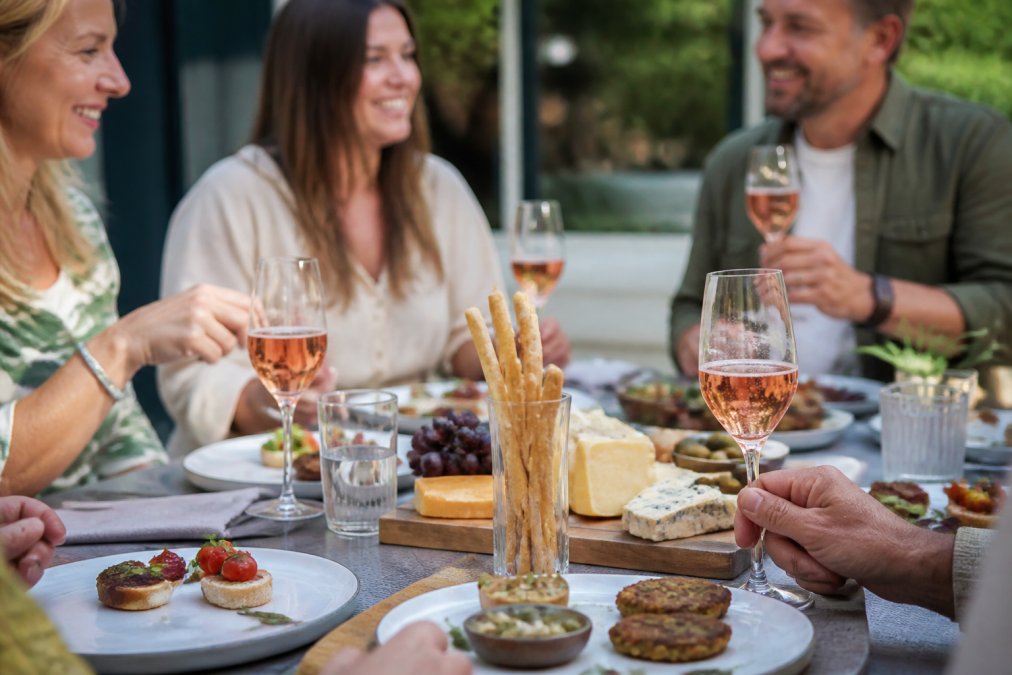
A January 2026 menu analysis by SpotOn identified a 47% year-over-year increase in non-alcoholic beverage additions among independent restaurants, reported by Zepeim's luxury non-alcoholic beverage report.
- Sparkling white and rosé: salty cheeses, oysters, canapés, anything fried.
- Crisp white styles: grilled fish, salads, soft goat's cheese.
- Dealcoholised red: mushroom dishes, roasted vegetables, tomato-based pasta, hard aged cheeses.
Tasting Like the Professionals
Tasting premium non-alcoholic wine properly comes down to four checks: colour, aroma, acidity and finish. A short, abrupt finish usually means the producer didn't compensate for the lost alcohol; a clean, sustained finish means they did.
Does Non Alcoholic Wine Taste Like Real Wine?
It can, and often does, but not by default. PMC's research on non-alcoholic wine sensory quality describes non-alcoholic wine as a viable, healthier alternative that can deliver a genuine sensory experience without alcohol-related risks. Processing, grape quality and the producer's skill determine the outcome, and the dealcoholisation process alters the original composition, as noted by San Francisco Wine School on non-alcoholic wine production, a fair point about labelling, not a reason to avoid the category.
How to Choose Your First Bottle
Start with sparkling: it's the most forgiving style and the closest to its alcoholic equivalent. If you're stocking a bar, restaurant, sports club or hotel, talk to us about trade supply at [Alcohol Free(/collections/alcohol-free-wine) Drinks Company trade enquiries | alcoholfreedrinks.co.uk/pages/contact].
We're based in Yorkshire and only carry independent producers. Our founder, Andy Mee, has judged the World Alcohol Free Drinks Awards since the first awards in 2022 and personally curates everything we sell.
The hardest part of non-alcoholic wine isn't finding a bottle, it's finding one that holds its structure once the alcohol is gone, which takes a producer who understands acidity, tannin and balance. Alcohol Free Drinks Company curates exactly those bottles from independent makers, with a range covering sparkling, still and botanical styles, plus trade accounts for bars, restaurants, sports clubs and hotels. Get in touch to talk through supply, or browse the range and start tasting with a bottle worth your glass.
Frequently Asked Questions
How do you properly taste non-alcoholic wine?
Pour into a standard wine glass rather than a tumbler, and serve at the same temperature you would a conventional bottle. Wine Folly notes in 2026 that proper glassware and standard serving temperatures emphasise the wine-like qualities of non-alcoholic wine. Swirl, smell, then sip slowly. Look for bright acidity, since Sommelier Business reports that without alcohol, wines can feel flabby without it.
What should you look for when choosing premium alcohol-free wine?
Check the sugar content per 100ml and the production method. Noughty Alcohol Free Sparkling Rosé, for example, has 5.9g of sugar per 100ml, roughly half that of many other non-alcoholic sparklings, and just 18 calories per glass. The non-alcoholic wine market is projected to grow at a 10.4% CAGR through 2035, so choice is widening fast, but lower sugar and retained acidity remain the clearest markers of quality.
How do you pair non-alcoholic wine with food?
Treat it much like conventional wine. Sparkling rosé and white work with lighter dishes, salads and soft cheeses, while drier reds suit grilled meats and mature cheese. Research mapping more than 100 commercial alcohol-free red samples shows the sensory profile varies widely, so taste before committing a whole menu to one bottle. Serving at traditional wine temperatures helps the pairing land as intended.
0 comments