


Table of Contents
- What Makes a Quality Alcohol Free Drink
- The Role of Ingredients in Alcohol Free Beer
- Why Alcohol Free Wine Demands Premium Production
- Sophisticated Serving: 0% Drinks and Booze Free Cocktails
- Frequently Asked Questions
Last Updated: 3 September 2026
What Makes a Quality Alcohol Free Drink
According to Grand View Research, approximately 51% of people aged 18-25 now consume non-alcoholic beverages, signalling a fundamental shift in how we approach social drinking. But here's what most people get wrong: a quality alcohol free drink isn't simply beer or wine with the alcohol removed. It's a deliberately crafted product where every element, from ingredient selection to production technique, serves a specific purpose.

At the Alcohol Free Drinks Company, our founder Andy Mee, a judge at the World Alcohol Free Drinks Awards since 2022, personally curates every product we stock. The difference between quality alcohol free drinks and mediocre ones comes down to intentionality: premium production methods, carefully sourced ingredients, and producers who understand that removing alcohol doesn't mean removing flavour.
The market is expanding rapidly. IWSR forecasts 9% growth in the no and low alcohol category over the next 12 months, yet this growth is being tempered by a persistent problem: taste concerns. Consumers have tried subpar alcohol-free alternatives and decided the category isn't for them. That's precisely why understanding what separates quality from compromise matters.
The Role of Ingredients in Alcohol Free Beer
Quality alcohol free beer starts with the same raw materials, but premium brewers source specific hop varieties for aromatic complexity. Without alcohol's body and warmth, every flavour element must work harder.
Consider vandeStreek's Playground IPA, which uses five American hops including Mosaic, Citra, and Cascade. The result is a deep rusty orange with vibrant citrus and tropical fruit notes that stand on their own. This isn't compromise; it's intentional brewing. Many brewers skip this step and produce thin, one-dimensional non-alcoholic beer that tastes like flavoured water.
Water quality matters too. Brewing water affects mineral content, pH, and how flavours develop during fermentation. A brewery cutting corners here produces flat, characterless alcohol free beer. Premium producers treat water chemistry with the same rigour they'd apply to an alcoholic brew. ScienceDirect research highlights that NOLO beers require rigorous quality control to prevent microbial contamination, another reason independent brewers who invest in proper production methods consistently outperform mass-market alternatives.
Dealcoholisation method determines final flavour. Cold contact dealcoholisation (CVD) is gentler than reverse osmosis, preserving character. Smashed Alcohol Free Pale Ale uses CVD, delivering caramel and toffee notes with American-style hops.
| Ingredient Factor | Impact on Quality | What to Look For |
|---|---|---|
| Hop variety | Complexity and aroma | Multiple hop types listed |
| Grain selection | Body and flavour depth | Named grain varieties |
| Water chemistry | Mineral balance and pH | Brewery transparency about source |
| Dealcoholisation method | Flavour preservation | CVD or gentle separation processes |
Why Alcohol Free Wine Demands Premium Production
When a winemaker dealcoholises wine, they face a fundamental challenge: preserving the varietal characteristics that define the wine. As Shouler, Winemaker at Giesen explains, "One of the greatest challenges is imparting good varietal aroma." Remove the alcohol and you've removed much of the wine's body, warmth, and delivery mechanism for flavour. A quality alcohol-free wine compensates through meticulous ingredient selection and production control.
Miris Blend wines and Pierre Chavin Sparkling Chardonnay exemplify quality-focused production with proper grape selection and careful dealcoholisation. Quality alcohol-free wine costs more because it's made better, you won't find genuinely quality non-alcoholic wine at £4.50 in your local supermarket.
Quality alcohol-free wine also demands clean labelling. PubMed research from 2026 found that 80% of non-alcoholic-only producers include detailed nutritional information on their labels, compared to just 60% of dual producers. This transparency signals a producer confident in their product and committed to consumer trust. If you're looking to explore quality options without breaking the bank, our sale section features carefully selected alcohol free wine and non-alcoholic wine at better value.
Sophisticated Serving: 0% Drinks and Booze Free Cocktails
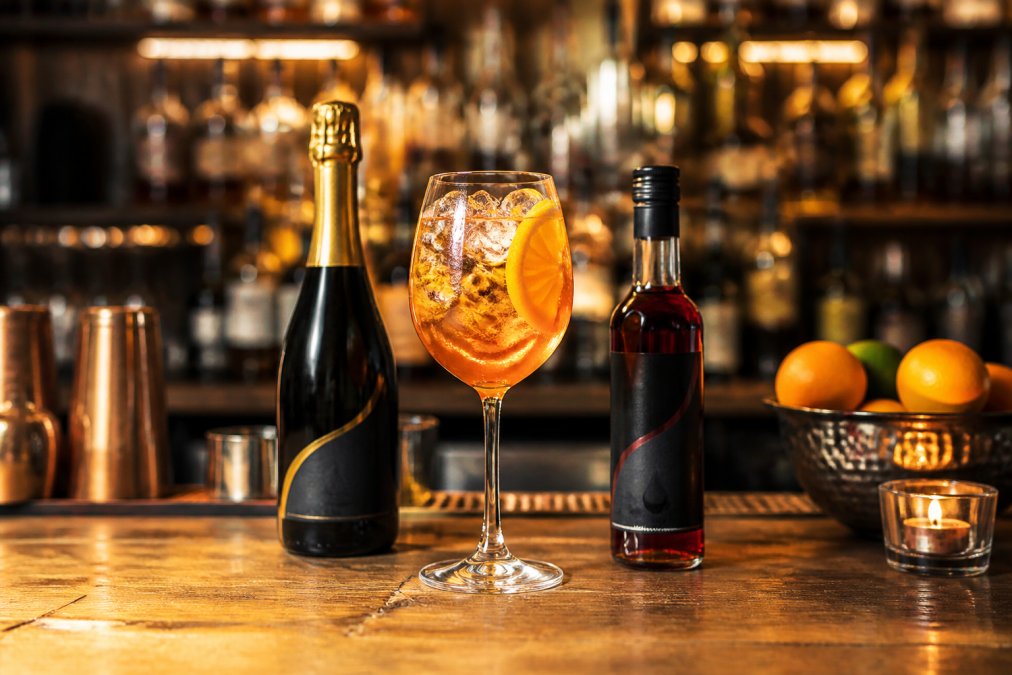
A Spritz with Anon Bittersweet and Pierre Chavin Sparkling Chardonnay creates a sophisticated aperitif; Pallini Limonzero with Pierre Chavin Sparkling Chardonnay offers a citrus-forward alternative.
Pre-mixed cocktails from Savylls and Smiling Wolf deliver quality booze free drinks without the mixing.
Serve quality 0% drinks in proper glassware with fresh citrus and quality ice.
If you're sourcing for your bar, restaurant, sports club, or hotel, contact us about trade supply. We work exclusively with independent brands that meet these standards. Every product we stock has been personally curated by our founder, Andy Mee, ensuring you're stocking drinks worth serving.
Frequently Asked Questions
What's the difference between quality alcohol free beer and supermarket own-brand options?
Premium alcohol free beer uses quality hop varieties, refined brewing techniques, and often employs advanced dealcoholisation methods like CVD (centrifugal vapour distillation) to preserve flavour complexity. Independent brewers like Smashed focus on authentic taste profiles, think caramel and toffee notes with tropical hop aromas, rather than cost-cutting shortcuts. Supermarket alternatives often taste flat or overly sweet because they prioritise shelf-life over flavour development. Quality matters: you're paying for genuine craftsmanship, not just the absence of alcohol.
Why does alcohol free wine cost more than £4.50 bottles in supermarkets?
Quality alcohol free wine demands precision dealcoholisation without sacrificing varietal character, one of the greatest challenges winemakers face. Premium producers like Pierre Chavin and Miris Blend invest in equipment, expertise, and ingredient selection to retain complexity. Supermarket budget options often taste thin or medicinal because they cut corners on production. As one winemaker noted, imparting good varietal aroma in alcohol-free wine requires skill. You're not paying extra for a gimmick; you're paying for the technical mastery that makes sophisticated wines genuinely enjoyable.
How can I tell if an independent alcohol-free brand is actually quality or just a marketing gimmick?
Look for awards from recognised competitions like the World Alcohol Free Awards or Great Taste Awards. Check production methods, dealcoholisation techniques matter significantly. Independent brands curated by experts, like those selected by Andy Mee (a judge at the World Alcohol Free Awards since 2022), have been personally vetted for taste and authenticity. Real quality shows in flavour complexity, not just novelty. Brands worth stocking focus on replicating the sophistication of traditional drinks rather than simply removing alcohol and hoping for the best.
This article was written using GrandRanker
0 comments