

Table of Contents
- Why Premium Alcohol Free Spirits Cost More Than Standard Drinks
- The Craft Behind Alcohol Free Gin and Independent Alcohol-Free Brands
- What You Get From 0% Drinks Worth Paying For
- Frequently Asked Questions
Last Updated: 18 September 2026
Why Premium Alcohol Free Spirits Cost More Than Standard Drinks
The global non-alcoholic spirits market was valued at $379.97 million in 2026, according to Fortune Business Insights' non-alcoholic spirits market report, and is projected to reach $762.92 million by 2033. So why are premium alcohol free spirits expensive when the alcohol has been removed?

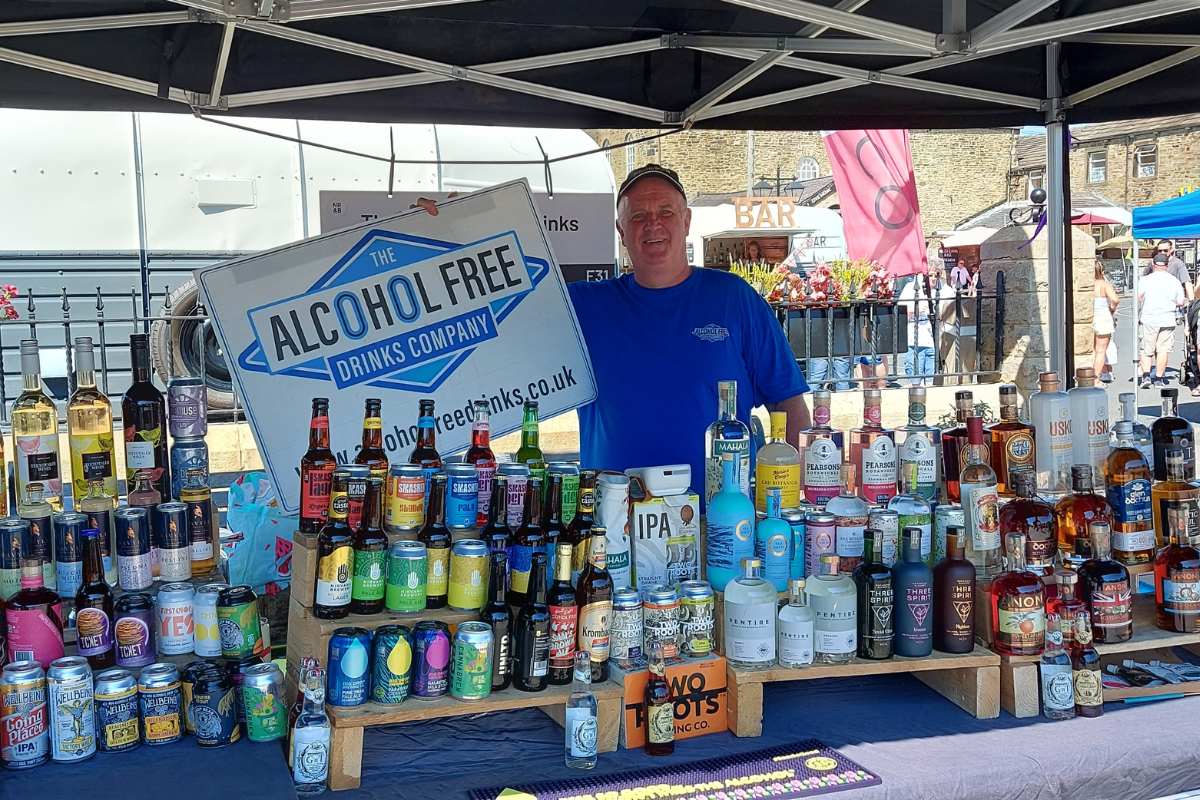
At Alcohol Free Drinks Company, we hear this constantly, and the honest answer is that removing alcohol is the hard part. Alcohol is a cheap solvent that extracts flavour, carries aroma and gives a drink its weight in the mouth; take it out and you must rebuild all three, usually with costly equipment and slow, small-batch methods. Research from Addiction journal's analysis of no- and low-alcohol pricing notes that no- and low-alcohol drinks frequently carry a higher price point than their alcoholic equivalents, that is not marketing, it is manufacturing.
The numbers tell a clear story: no-alcohol volumes are growing at roughly +9% a year, according to IWSR's no- and low-alcohol forecast, and zero-proof spirits are expected to hold a 42.4% market share in 2026, per Future Market Insights' zero-proof spirits report. Buyers are not just tolerating the price, they are choosing it.
The Craft Behind Alcohol Free Gin and Independent Alcohol-Free Brands
Alcohol free gin is gin without the ethanol, and that single change reshapes the entire production line. Ethanol normally pulls flavour out of botanicals in hours; without it, makers turn to vacuum distillation, complex fermentation and specialist botanical extraction, and every step adds cost. Excluding ethanol increases production costs significantly because alcohol is a naturally cheap solvent for flavour, and smaller makers often lack the economies of scale that mass-market producers enjoy.
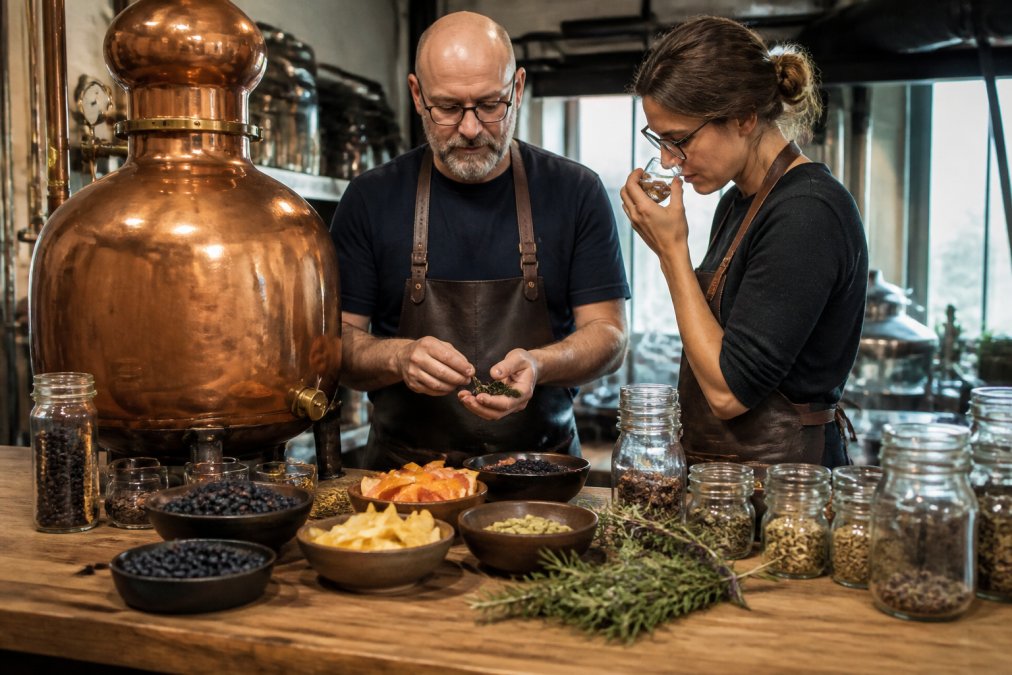
That is precisely why we only stock independent alcohol-free brands. Founder Andy Mee, who has judged at The World Alcohol Free Drinks Awards since the first ceremony in 2022, curates every product we sell, and the range reflects makers who reinvest in process rather than volume. If you run a bar, restaurant, sports club or hotel, talk to us about trade supply and see the difference on your back bar.
What You Get From 0% Drinks Worth Paying For
What you get from 0% drinks worth paying for is flavour engineering: the mouthfeel, aroma and finish that alcohol used to supply, rebuilt from scratch. Brewers and distillers report that production costs stay high despite duty savings, because customers are paying for the technology required to replicate traditional spirit profiles (Spirits and Cocktails Community industry discussion).
Take Talonmore Alcohol Free Whisky Alternative (£23.95, 700ml), a Scottish family business bottling ginger, prickly pear, hawthorn berry and Assam tea into a spirit with a fiery, lingering finish. Dochus Highland Bothy (£24.95, 700ml) delivers salted caramel and smoked sweetness at just 6.7 kcal per 100ml. Pathfinder (£29.95, 700ml) ferments hemp seed before copper pot distillation, a patented process that explains its price as much as its flavour.
Smashed Alcohol Free Pale Ale 330ml →

| Product | Price | What Drives the Cost | Best For |
|---|---|---|---|
| Talonmore Whisky Alternative | £23.95 / 700ml | Superfood botanical blend, small-batch Scottish production | Winter warmers and hot toddies |
| Dochus Highland Bothy | £24.95 / 700ml | Organic botanicals, Deeside spring water, low-calorie distillation | Slow sipping over ice |
| Pathfinder Spirit | £29.95 / 700ml | Patented hemp fermentation and copper pot distillation | Cocktail bases and spritzes |
Some drinkers argue that removing alcohol, the primary ingredient, should logically lower the price. The response is simple, you are not paying for what was taken out, but for what had to be put back in.
The same logic runs through alcohol free beer and non-alcoholic wine. Smashed Alcohol Free Pale Ale (£2.75, 330ml) is dealcoholised using the only Cool Vacuum Distill system in the UK, based in Manchester, gently heating the liquid in an oxygen-free vacuum so the original caramel, toffee and tropical hop character survives intact. That equipment is not cheap, and it shows in the glass. If you want to explore the range without committing to full price, our sale section is the sensible place to start.
Premium alcohol free spirits cost more because quality costs more to make. Alcohol Free Drinks Company has curated independent alcohol-free beers, wines and spirits since 2021, every product personally selected by Andy Mee and backed by trade accounts for bars, restaurants, sports clubs and hotels. Get in touch and stock a range your customers will come back for.
Frequently Asked Questions
Why do alcohol-free spirits cost as much as traditional spirits?
Producing alcohol free spirits requires advanced techniques like vacuum distillation and complex botanical extraction to replicate the depth of traditional spirits without ethanol. Independent producers lack the economies of scale of large drinks companies, so unit costs stay higher. The global non-alcoholic spirits market was valued at $379.97 million in 2026 and is projected to reach $762.92 million, reflecting strong demand despite premium pricing.
Does the production process for 0% drinks justify the price?
For quality 0% drinks, yes. Removing alcohol without losing flavour demands investment in technology such as vacuum distillation and dealcoholisation systems. Smashed Alcohol Free Pale Ale, for example, uses the only Cool Vacuum Distill unit in the UK, based in Manchester, which gently removes alcohol while preserving the original beer's character. This technology costs money, and that cost is reflected in the final price.
Are alcohol-free spirits taxed differently in the UK?
Alcohol-free spirits do not attract alcohol duty in the same way as full-strength products. However, producers still face VAT, packaging costs, and the expense of specialised equipment. Production costs remain high despite duty savings because consumers are paying for the advanced technology needed to replicate traditional spirit profiles.
0 comments