


Table of Contents
- Why Non-Alcoholic Spirits Command Premium Prices
- How Are Non-Alcoholic Spirits Made: The Production Complexity
- Is Alcohol-Free Gin Worth the Money: Breaking Down the Value
- Best Alcohol-Free Spirits for Cocktails and Why They Cost More
Last Updated: August 22, 2026
Why Non-Alcoholic Spirits Command Premium Prices
Non-alcoholic spirits often cost £17-£30, which surprises first-time buyers accustomed to cheaper supermarket spirits. The premium reflects genuine manufacturing complexity, not marketing hype. Alcohol itself is cheap to produce and acts as a flavour carrier and preservative (peer-reviewed research). Remove it, and you face a fundamentally harder challenge: creating depth and character without that chemical shortcut. The botanicals, distillation processes, and specialist equipment required demand investment that traditional spirits simply don't.
How Are Non-Alcoholic Spirits Made: The Production Complexity
Creating non-alcoholic spirits is expensive because the manufacturing process is intricate. Many producers use partial distillation, where botanicals are distilled to capture delicate flavours, then alcohol is carefully removed through reverse osmosis or spinning cone technology (peer-reviewed research). This requires specialist equipment and skilled technicians. Other producers layer infusions, maceration, and blending to build complexity naturally, a craft batch might involve weeks of botanical steeping and multiple distillation runs.
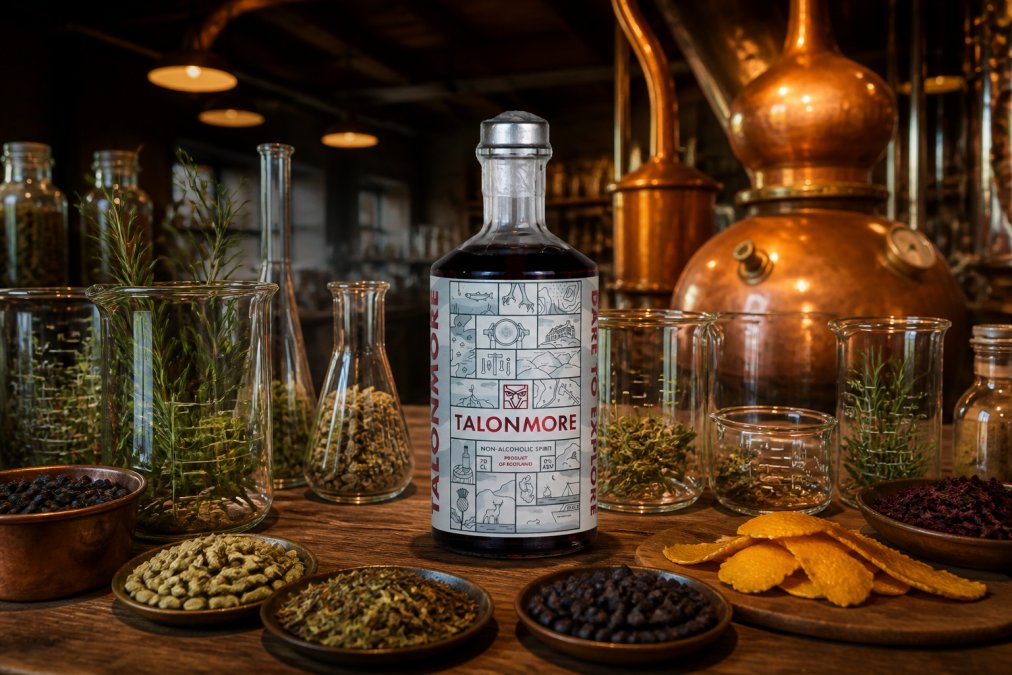
Ingredients cost more than expected. Small-batch producers source whole botanicals rather than cheap concentrates. Fresh juniper berries, hand-harvested herbs, and premium spices are speciality items, a single bottle of quality non-alcoholic gin might contain botanicals costing several pounds before production labour or equipment use is factored in.
Is Alcohol-Free Gin Worth the Money: Breaking Down the Value
Whether a non-alcoholic gin justifies its price depends on your comparison point. Against a £12 supermarket spirit, it feels expensive. Against the experience and sophistication it delivers, the maths shifts entirely.
Quality alcohol-free gin performs the same role as traditional gin in a cocktail, it carries botanicals, adds complexity, and creates intentional drinks rather than compromises. For someone sober-curious, pregnant, driving, or simply choosing not to drink, a sophisticated non-alcoholic spirit transforms the experience from obligation to genuine choice.
The value also reflects what you're not paying for: multinational marketing budgets and mass-production networks. You're funding producers who believe specifically in alcohol-free quality. Brands like Bax Verbena (£17.95) and Talonmore Whisky Alternative (£23.95) represent genuine craftsmanship, taste noticeably different from budget alternatives, and work beautifully in cocktails.

Best Alcohol-Free Spirits for Cocktails and Why They Cost More
The most versatile non-alcoholic spirits for cocktails are those with genuine botanical depth, exactly what costs most to produce. Three Spirit Social Elixir (£29.95) sits at the premium end because it's formulated to deliver mood-elevating effects alongside flavour, requiring dedicated research and testing to meet product standards. ANON Bittersweet Aperitif (£19.95) positions itself as an alcohol-free Italian aperitif, meaning the botanical profile must be precise enough for classic serves.
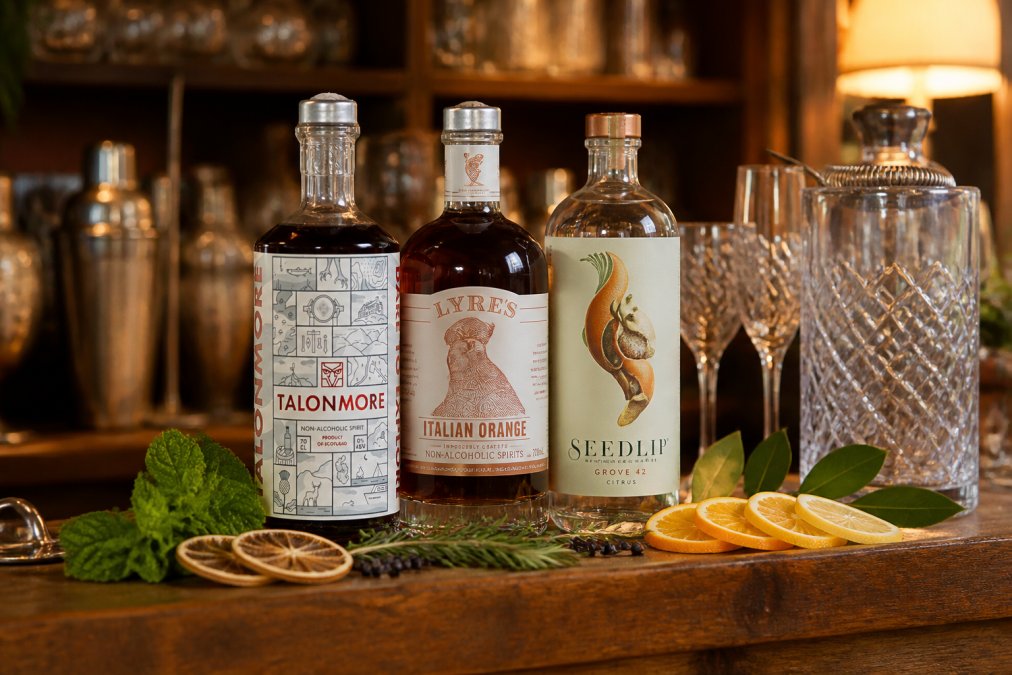
What separates a £30 spirit from a £12 one is consistency, botanical authenticity, and mixability. Bars and home bartenders pay premium prices because these spirits perform reliably, they don't separate, taste thin, or require heavy-handed sweetening. That reliability comes from production standards cheaper alternatives don't maintain.
| Spirit | Price | Best For | Key Characteristic |
|---|---|---|---|
| Bax Verbena | £17.95 | Gin-style cocktails | Clean, botanical-forward |
| ANON Bittersweet | £19.95 | Aperitif serves | Balanced bitterness |
| Talonmore Whisky | £23.95 | Spirit-forward drinks | Full-bodied depth |
| Three Spirit Social | £29.95 | Premium cocktails | Functional benefits |
These spirits command their prices because they work. A bartender serving a non-alcoholic cocktail wants that drink to feel like a real cocktail, not a compromise. That requires spirits built with the same care as alcoholic alternatives. When you're paying £20-£30 for a bottle, you're investing in a product designed to deliver genuine sophistication consistently.

Understanding why non-alcoholic spirits cost more reflects understanding genuine craftsmanship. The botanicals, distillation, specialist equipment, and research aren't inflated costs, they're the actual price of making something worth drinking. Investing in quality spirits from independent producers ensures your non-alcoholic cocktails taste intentional, not obligatory. Explore Alcohol Free Drinks Company's curated selection of premium, independently produced non-alcoholic spirits and discover options that deliver genuine sophistication without compromise.
Frequently Asked Questions
Are non-alcoholic spirits cheaper to produce than alcoholic ones?
No. Non-alcoholic spirits often cost more to produce because they require advanced dealcoholisation methods, such as partial osmosis, and rely on distilled botanicals to create complex flavours without alcohol. Traditional spirits can use alcohol as a carrier for flavour, whereas alcohol-free alternatives must achieve depth through more labour-intensive processes and premium ingredients. The absence of excise duty does not offset these production expenses.
Is alcohol-free gin worth the money?
Quality alcohol-free gin justifies its price through craftsmanship and ingredient quality. Brands like Bax Verbena use traditional distillation methods with natural botanicals to deliver genuine complexity. You're paying for specialist equipment, skilled labour, and small-batch production rather than mass-market cordials. If you want a sophisticated gin alternative for cocktails or sipping, premium alcohol-free options deliver the ritual and flavour profile that justify the investment.
What makes non-alcoholic spirits more expensive than supermarket alternatives?
Independent producers invest heavily in R&D to create functional and flavourful spirits using adaptogens, premium botanicals, and innovative distillation. Supermarket own-brand alternatives typically use concentrates and cordials, which are cheaper to produce but lack the depth and sophistication. You're also paying for smaller production runs, specialist expertise, and brands that prioritise quality over volume, which is why products like Talonmore Whisky Alternative and Three Spirit Social Elixir command higher prices than mass-market options.
This article was written using GrandRanker
0 comments