

Table of Contents
- How to Make an Alcohol Free Gin and Tonic: What You'll Need
- The Alcohol-Free Gin and Tonic Recipe (Step by Step)
- Choosing the Best Tonic Water for Alcohol-Free Gin
- Alcohol-Free Gin and Tonic Garnish Ideas
- Gin and Tonic Mocktail Without Gin: Getting the Ratio Right
- Where to Buy Alcohol Free Gin in the UK
- Frequently Asked Questions
Last Updated: 15 October 2026
How to Make an Alcohol Free Gin and Tonic: What You'll Need
An alcohol free gin and tonic takes three minutes and four ingredients: a good alcohol free gin, a quality tonic, plenty of ice and a garnish. At Alcohol Free Drinks Company we've curated non-alcoholic spirits since 2021.

What you'll need: 50ml alcohol free gin, 150ml premium tonic water, a large balloon glass or highball, plenty of ice and your chosen garnish. Most alcohol free gins are made to be mixed 1:3, one part gin to three parts tonic, skip this and you'll drown the botanicals.
The Alcohol-Free Gin and Tonic Recipe (Step by Step)
Step 1: Chill everything first. Fill your glass with ice and let it sit for a minute, warm tonic goes flat fast.
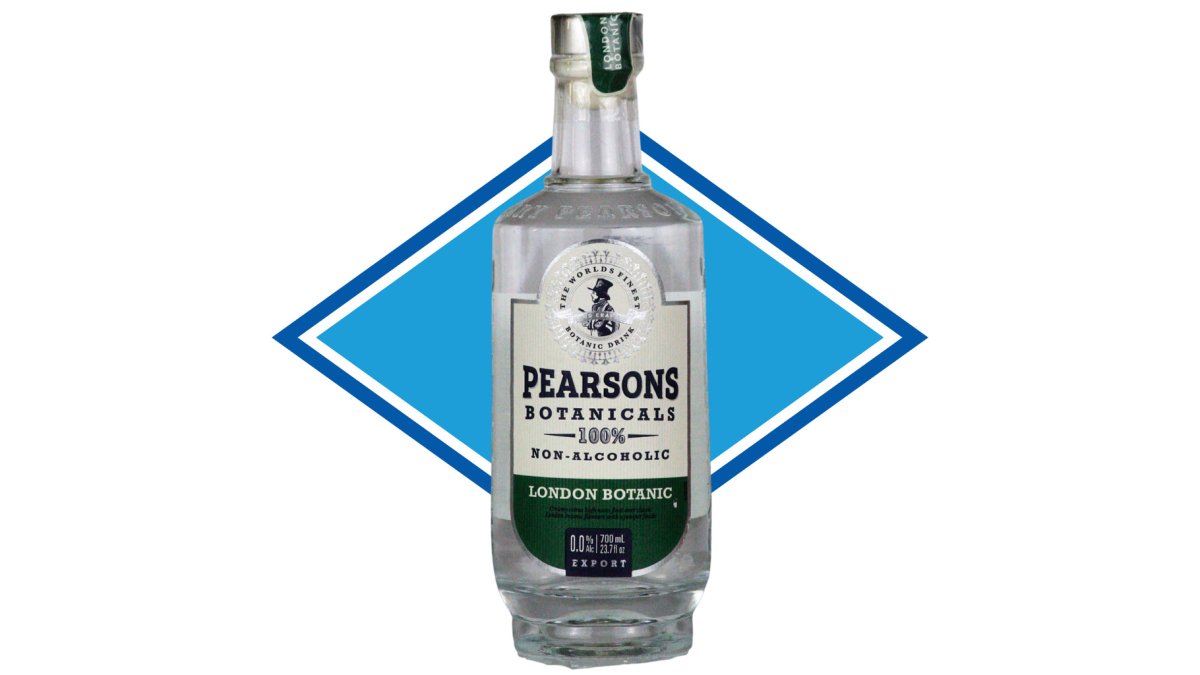
Step 2: Pour the gin. Measure 50ml of your alcohol free gin over fresh ice. Our Pearsons Botanicals London Botanic Alcohol Free Gin Alternative (£19.95) works beautifully, with citrus, elderflower and a juniper finish.
Step 3: Add the tonic. Pour 150ml of premium tonic down the side of the glass to keep the bubbles alive. Stir once, gently.
Choosing the Best Tonic Water for Alcohol-Free Gin
The best tonic water for alcohol-free gin is a premium Indian or Mediterranean tonic with real quinine and moderate sweetness, cheap mixers taste syrupy and bury the botanicals. Mediterranean suits citrus-forward gins; Indian works with floral or herbal ones.
Quick pairing guide:
| Your Alcohol-Free Gin Style | Best Tonic | Garnish |
|---|---|---|
| Citrus and grapefruit | Mediterranean tonic | Grapefruit slice |
| Classic London Dry | Indian tonic | Lime wedge |
| Floral (hibiscus, rose) | Light or elderflower tonic | Rose petal |
Alcohol-Free Gin and Tonic Garnish Ideas
The right garnish lifts the whole drink, a grapefruit slice, a twist of lime, a sprig of rosemary or a few juniper berries all work. Match it to the botanicals: citrus gins love citrus, floral gins suit rose petals, and savoury gins pair well with rosemary or thyme.
Pearsons Botanicals London Botanic Alcohol Free Gin Alternative 700ml →
Gin and Tonic Mocktail Without Gin: Getting the Ratio Right
A gin and tonic mocktail without gin still needs structure: the 1:3 ratio of spirit to tonic is what makes it taste like a proper drink rather than flavoured water. If your alcohol free gin tastes too sweet, add a squeeze of fresh lime, and serve it in the same glassware you'd use for the real thing.
Where to Buy Alcohol Free Gin in the UK
We stock a range of independently produced alcohol free gins, all chosen by our founder Andy Mee, who has judged at The World Alcohol Free Drinks Awards since 2022. Our CeroCero White Grapefruit & Lemongrass Alcohol Free Gin Alternative (£14.95) is bright and zesty, while the Pearsons Botanicals Hibiscus and Rose (£19.95) brings a softer, floral note.


We're based in Yorkshire and proudly support only independent brands across alcohol free beers, wines and spirits. Trade customers are welcome too, if you run a bar, restaurant, sports club or hotel, get in touch about supplying your venue.
Making a great alcohol free gin and tonic shouldn't feel like a compromise. At Alcohol Free Drinks Company, we curate every bottle by hand, from independently produced alcohol free gins to non-alcoholic beers, wines and spirits, get in touch and find your new favourite pour.
Frequently Asked Questions
What is the best ratio of alcohol-free gin to tonic water?
Most alcohol-free gin alternatives are designed to be mixed at a ratio of 1 part spirit to 3 parts tonic. This means for a standard 25ml measure, you would add 75ml of tonic water. Using too little tonic can make the drink taste overly botanical or bitter, while too much dilutes the flavour. Start with a 1:3 ratio and adjust to your taste. Always use plenty of ice, as this keeps the drink cold and prevents the tonic from going flat too quickly.
Which tonic water works best with alcohol-free gin?
A premium Mediterranean tonic water is a strong choice for most alcohol-free gins, as its subtle citrus notes complement the botanicals without overpowering them. For a citrus-forward alcohol-free gin, try a light tonic with a wedge of lime. Avoid heavily sweetened tonic waters, as they can mask the spirit's complexity. Look for tonics made with real quinine and natural flavourings, and always check the label for a low sugar content if you want a crisper finish.
Can you make a gin and tonic without alcohol-free gin?
Yes, you can create a gin and tonic mocktail without gin by using other alcohol-free spirits or mixers. For example, a botanical-infused sparkling water or a non-alcoholic aperitif can form the base. Simply mix 25ml of your chosen alcohol-free spirit with 75ml of tonic water over ice, then add a garnish like cucumber or mint. This approach works well if you want a lighter drink or are experimenting with different flavours. The key is to balance the botanical notes with the tonic.
0 comments