

Table of Contents
- Why Stock Independent Non-Alcoholic Drinks for Bars
- Best Non-Alcoholic Spirits for Hospitality Venues
- How to Build a Non-Alcoholic Cocktail Menu That Sells
- Finding Independent Alcohol-Free Drink Suppliers
Last Updated: 27 August 2026
Why Stock Independent Non-Alcoholic Drinks for Bars
The non-alcoholic drinks market has shifted from niche to mainstream revenue stream. According to Mintel's 2025 market analysis, the UK's no- and low-alcohol drinks market was worth around £380 million in 2024 and is forecast to reach £800 million by 2028. On-trade sales rose 48% in the last 12 months alone, according to CGA's hospitality analysis.
Over two-thirds of consumers have purchased non-alcoholic drinks in the past year. Independent non-alcoholic drinks differentiate your venue through authenticity, craft quality, and compelling storytelling. Premium brands now account for two-thirds of no-alcohol beer volume and drive growth in hospitality. Curating the right selection builds loyalty among the fastest-growing segment of drinkers.
Best Non-Alcoholic Spirits for Hospitality Venues
Non-alcoholic spirits have evolved dramatically. Five years ago they tasted medicinal or aggressively sweet; today, the best are genuinely sophisticated and complex enough for cocktails or neat serves.
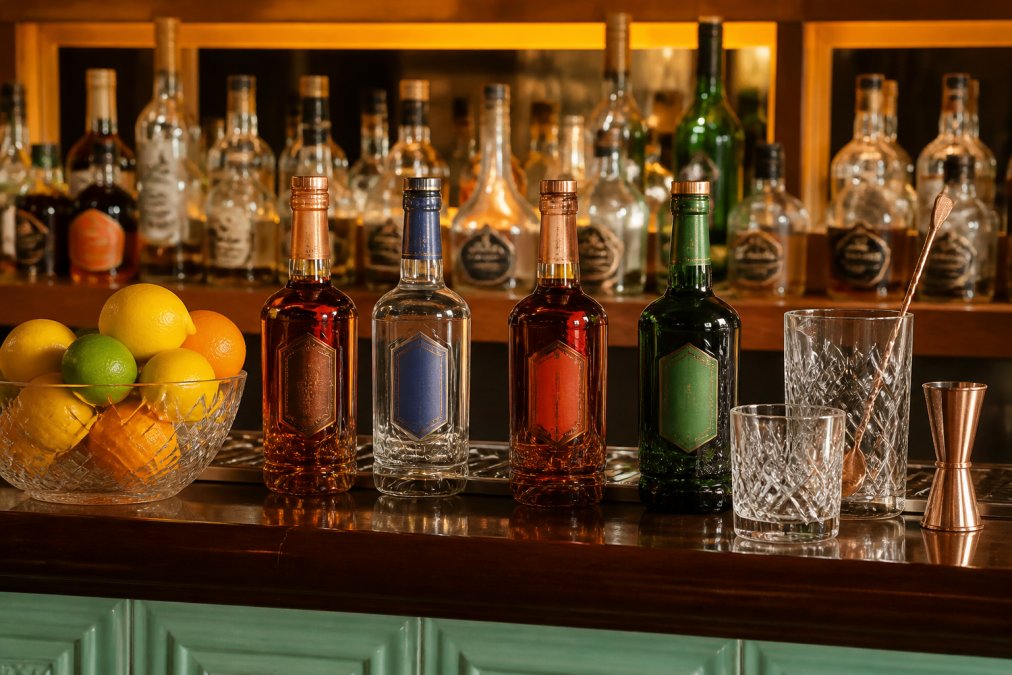
Trade mark filings for alcohol-free cocktail brands jumped 19% in two years to 515 from 433, according to Mathys & Squire's 2025 trademark analysis. Producers now develop alcohol-free alternatives across every major spirits category: gin, whisky, rum, vodka, and aperitif-style products.
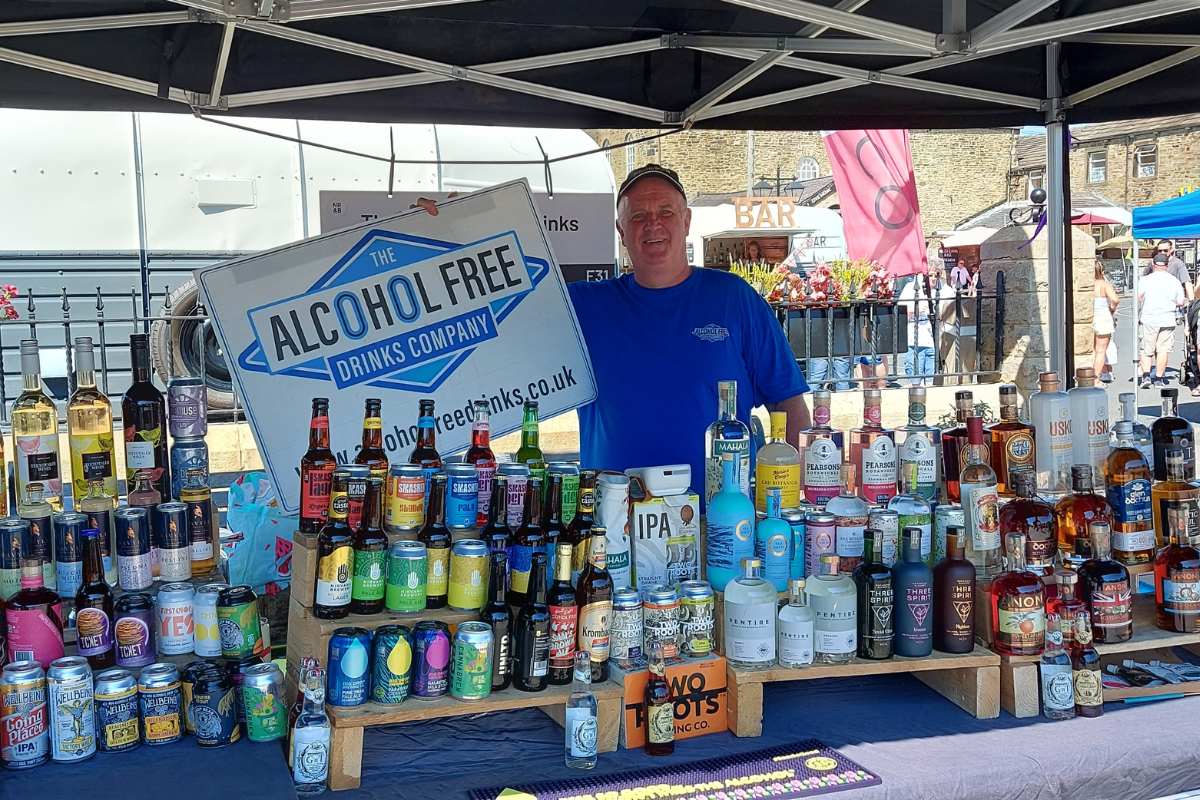
Prioritise brands with a clear story and commitment to taste over gimmick. Consider building a core range: one gin alternative, one whisky alternative, and one aperitif-style product. This covers the majority of spirit-based cocktails without overcomplicating inventory. The Alcohol Free Drinks Company curates independently produced alcohol-free spirits specifically for hospitality venues, making it straightforward to source multiple categories from a single supplier.
How to Build a Non-Alcoholic Cocktail Menu That Sells
A non-alcoholic cocktail menu is a profit centre, not a token gesture. Most venues treat it as an afterthought, rarely promoted and often made carelessly.
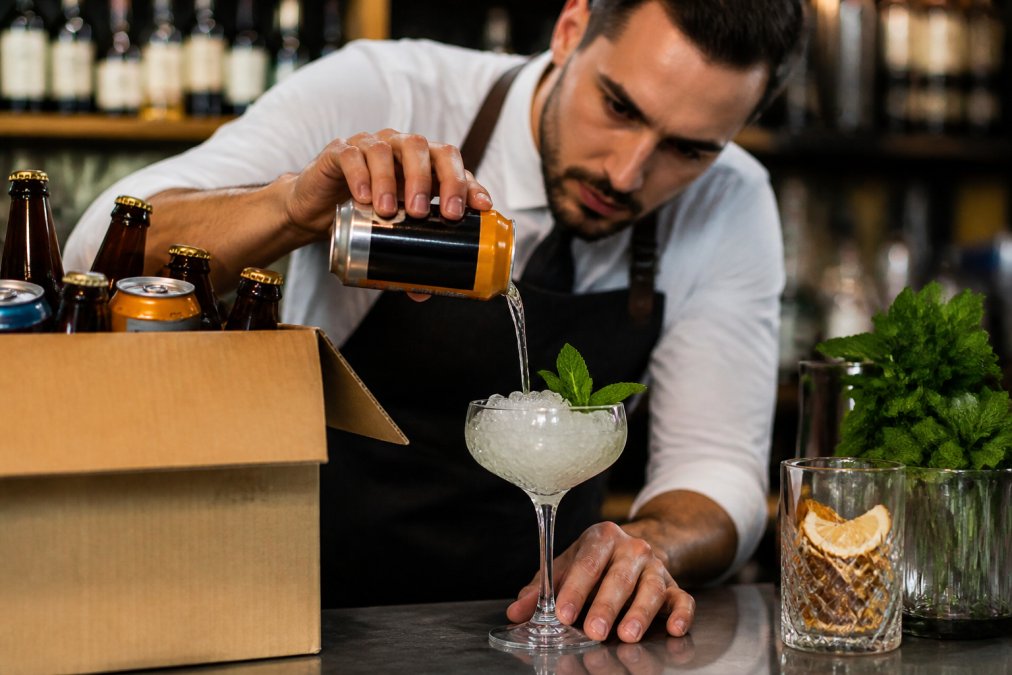
Non-alcoholic cocktails require different construction from alcoholic ones. Without alcohol's structural backbone, balance becomes critical: acidity, sweetness, bitterness, and texture must work in precise proportion. A poorly made alcohol-free cocktail tastes flat or cloying; a well-made one justifies premium pricing.
Research from the Sheffield Addictions Research Group found that 98% of venues surveyed offered at least one alcohol-free drink, yet 52% of customers had to actively search for non-alcoholic options.
Build your menu around three templates: a spirit-forward serve using an alcohol-free spirit, a juice-based cocktail with citrus and herbal notes, and a sophisticated mixer-based serve using premium tonics or botanical sodas. Train staff to make these cocktails with the same precision as alcoholic drinks; technique matters more here because there's nowhere to hide.
Finding Independent Alcohol-Free Drink Suppliers
Sourcing independent non-alcoholic drinks requires a different approach than buying mainstream brands. Most traditional drinks distributors stock limited premium alcohol-free options. Seek suppliers who specialise in this category and work directly with independent producers.
When evaluating suppliers, ask: Do they work with producers you've heard of? Can they offer trade pricing? Do they provide staff training? Are they responsive to reorders?
| Consideration | What to Look For | |---| | Producer Selection | Independent brands with clear identity and taste profile | | Trade Pricing | Discounts for venues, not just retail customers | | Minimum Orders | Flexibility for smaller venues; no punitive minimums | | Reorder Support | Quick turnaround on restocks, seasonal availability | | Staff Training | Resources to help your team sell confidently | | Product Knowledge | Direct relationships with producers, not just distributors |
The Alcohol Free Drinks Company specialises in supplying independent alcohol-free drinks to hospitality venues. They work directly with small producers across beer, wine, spirits, and pre-mixed cocktails, offering trade accounts with flexible ordering. Their Build a Box bundles allow venues to curate their own selection without committing to large quantities of single products, a practical solution for bars testing the market or rotating seasonal offerings.

Frequently Asked Questions
What makes independent non-alcoholic drinks different from mainstream brands?
Independent producers focus on taste and quality rather than cost-cutting. They often use premium ingredients, craft recipes, and avoid artificial flavouring. Unlike mass-market alternatives, independent brands care about the drinking experience. Many use real botanicals, natural sweeteners, and innovative flavour profiles. This commitment to quality is why bars and restaurants increasingly stock independent non-alcoholic drinks to differentiate their offerings and attract discerning customers.
How do I know which independent alcohol-free drink suppliers are worth stocking?
Look for suppliers with transparent sourcing, proven track records in hospitality, and products that have won industry recognition. Check whether they work with independent producers and offer consistent quality across their range. Ask for case studies from other venues. Reputable independent alcohol-free drink suppliers will provide tasting notes, pairing suggestions, and marketing support. The Alcohol Free Drinks Company, for example, curates products judged by World Alcohol Free Drinks Awards standards, ensuring every bottle meets professional hospitality expectations.
What's the profit margin on non-alcoholic drinks compared to alcoholic beverages?
Non-alcoholic drinks typically carry margins of 40-60%, comparable to or better than standard alcoholic drinks when priced correctly. Premium independent brands allow higher markups due to perceived value and quality positioning. The key is pricing them as premium offerings rather than budget alternatives. Many venues successfully use non-alcoholic cocktails as attachment sales, increasing overall bill value. Build a box options from independent suppliers help manage costs while maintaining margins on smaller orders.
Stocking independent non-alcoholic drinks for bars is no longer a defensive move against changing consumer habits. It's a commercial opportunity. The venues winning right now are those treating alcohol-free seriously: sourcing quality, training staff properly, and pricing with confidence. The market has doubled in two years. The question isn't whether to stock independent non-alcoholic drinks, it's whether you'll do it before your competitors do.
This article was written using GrandRanker
0 comments